
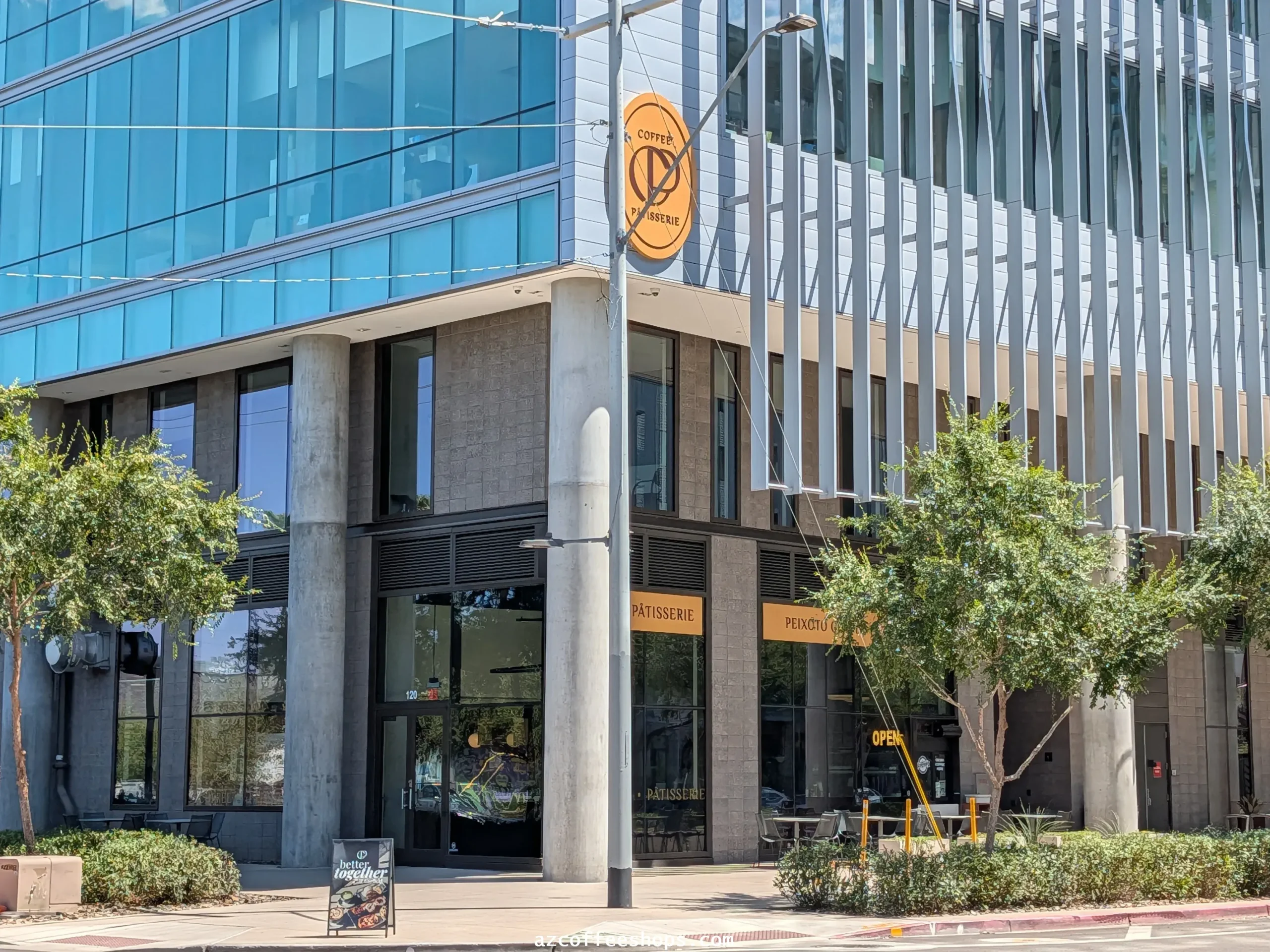
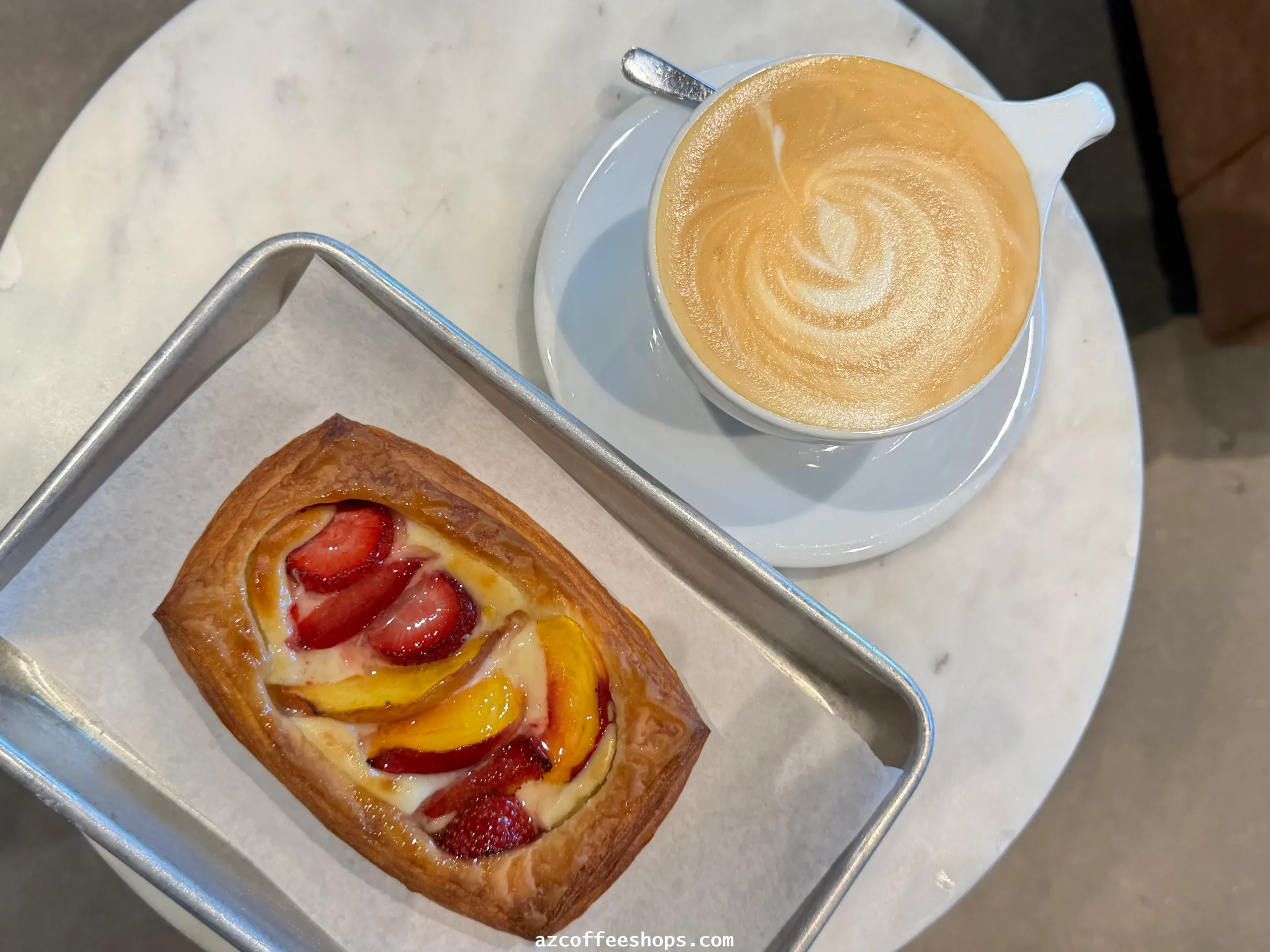
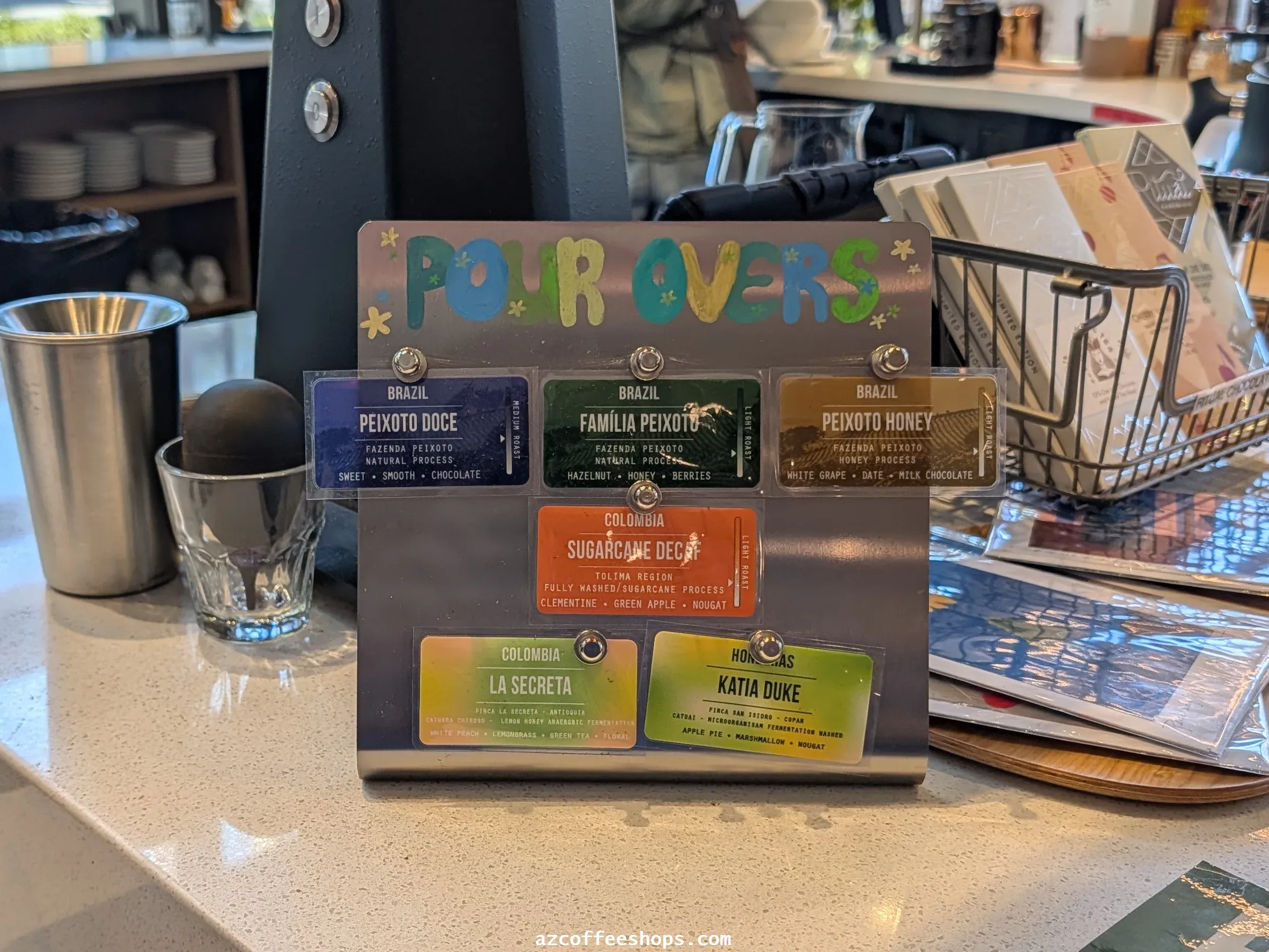
You know that feeling when two of your favorite local spots suddenly move in together and you cannot decide who to visit first? That is the exact situation at the ground floor corner of the Biomedical Campus building on 5th Street. Peixoto brought the espresso. Mark Chacon brought the ovens. Nobody asked me to pick a side and I would not have been able to.
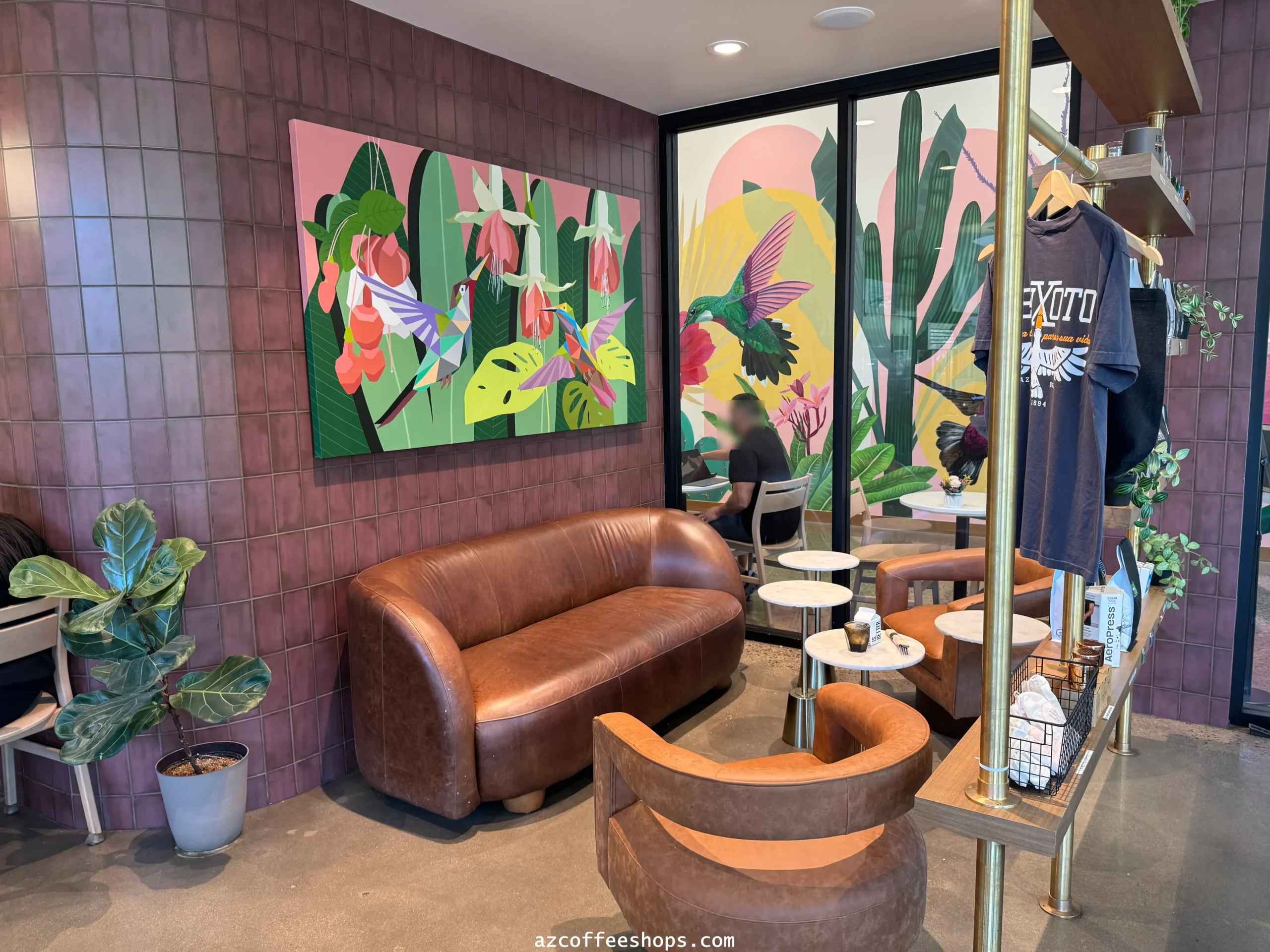
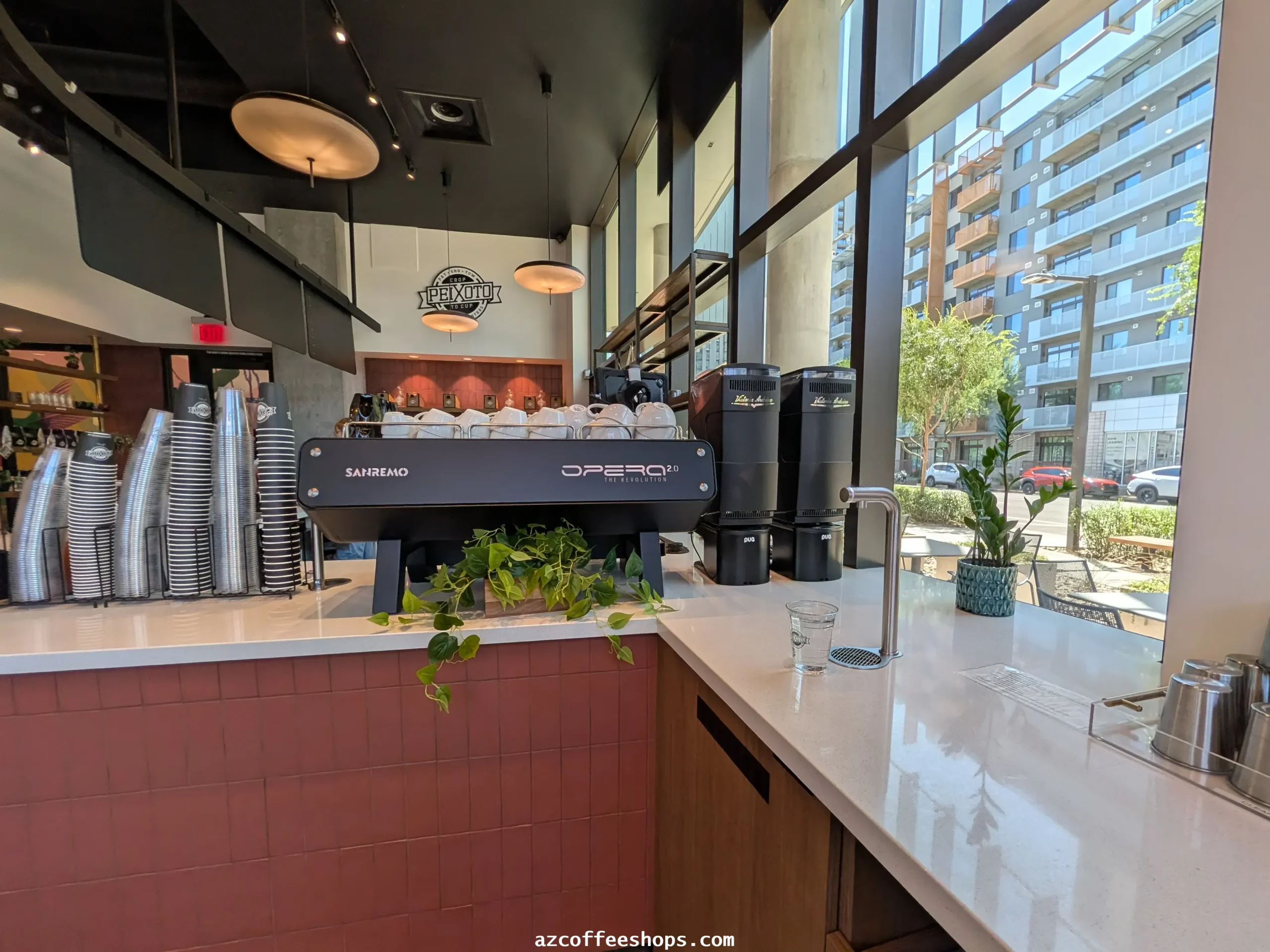
Walking in from the E Garfield Street side you get hit with a wall of glass before anything else. Floor to ceiling windows soak the whole room in flat Phoenix light. The Sanremo Opera espresso machine sits on top of a terracotta tiled counter with a creme colored quartz top and it is not just there for looks. The Opera runs pressure profiling on every shot. This means the barista can shape how hard the water pushes through the grounds at different points in the extraction instead of just one flat pressure the whole way. It is the kind of machine you see in competition setups more than corner cafes. It is also the mahcine you need when you specialize in lighter roast coffees. The other counter on the other side is for pastry. The seating in between is shared so at peak hours the tables fill up fast with ASU staff, biomed students and coffee people all packed in together. Grab a spot early if you plan to sit and work.
On my last visit I ordered the iced toasted coconut latte and it might be the best seasonal drink I have had from Peixoto. First time I had it was at the Gilbert location. It is all I can think about now when I think Peixoto. It has that perfect level of sweetness and it sits nicely against the espresso instead of covering it up.
The espresso base changes with availability. Most of the time it is the Familia, a light roast natural process. Sometimes they run the Honey instead, which is (as the name suggests) honey processed. Both come from the Peixoto family farm in Brazil. The Familia leans more toward hazelnut and berries, while the Honey leans toward white grape and date.
From the Chacon side, get the cream cheese danish. I worked through several different pastries on this visit and nothing else came close. It runs $9 a piece, which is steep, but that seems to be the going rate for pastry done right these days. Consider it the entry fee for the good stuff.
Parking is decent for a downtown spot. There is metered street parking with a fair amount of shade on some sides and a lot by the front of the building if the street is full. If you park in their lot, they will validate your ticket and the first hour is free.
Downtown Phoenix finally has a coffee shop with a farm address. Go get a pour over. Stay for the desserts. You will understand.
Number and Street:
850 N 5th St
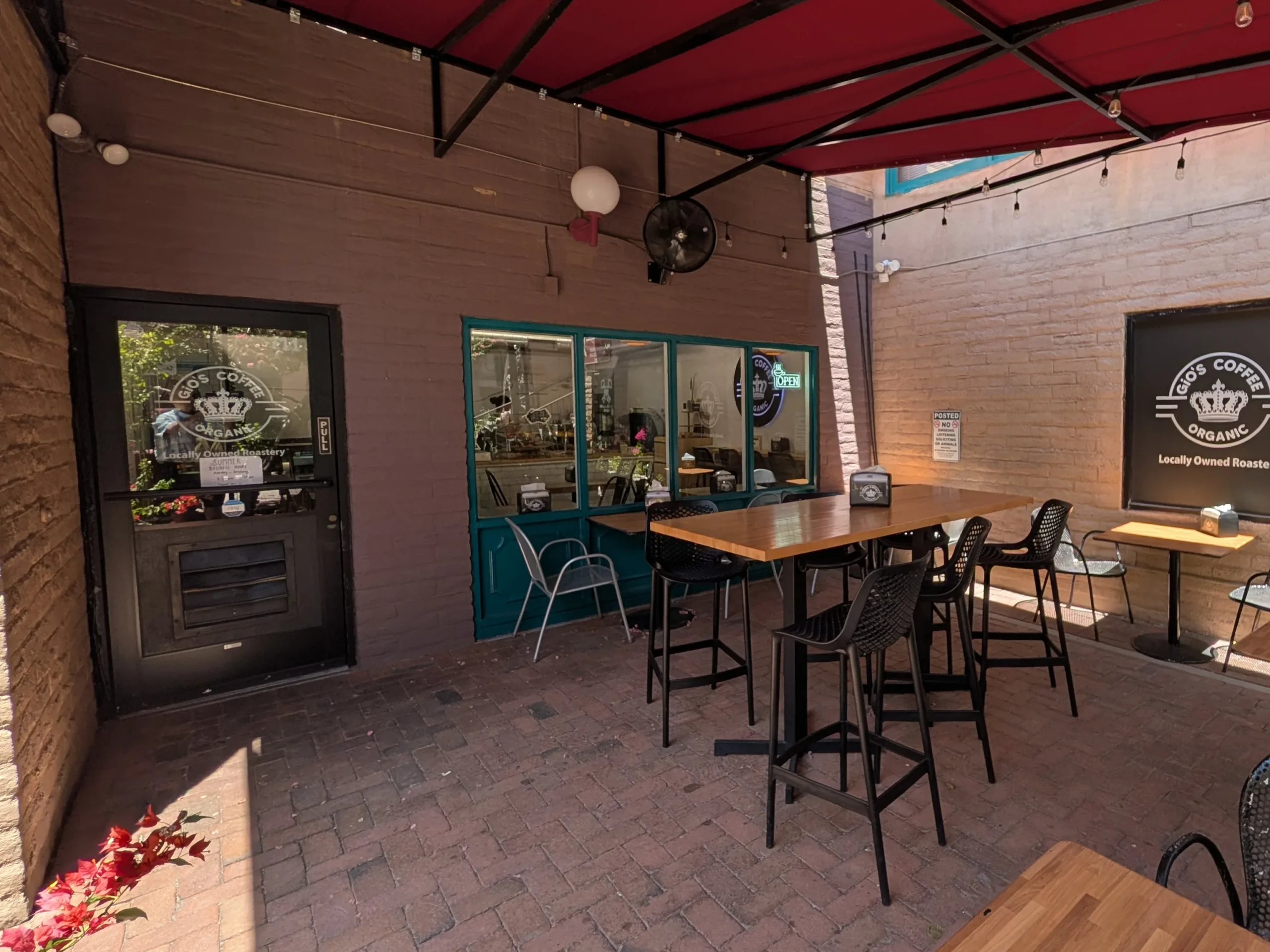
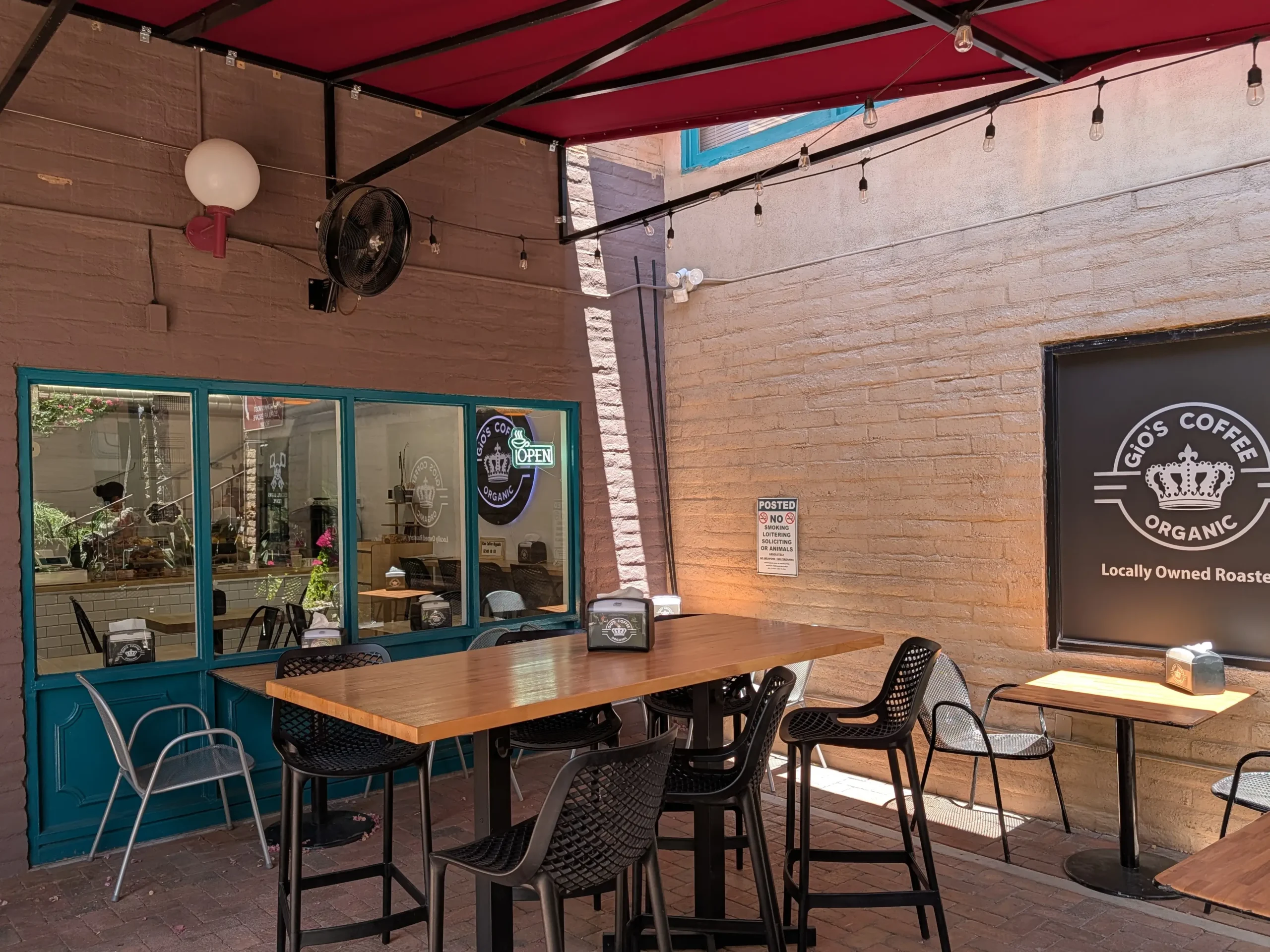
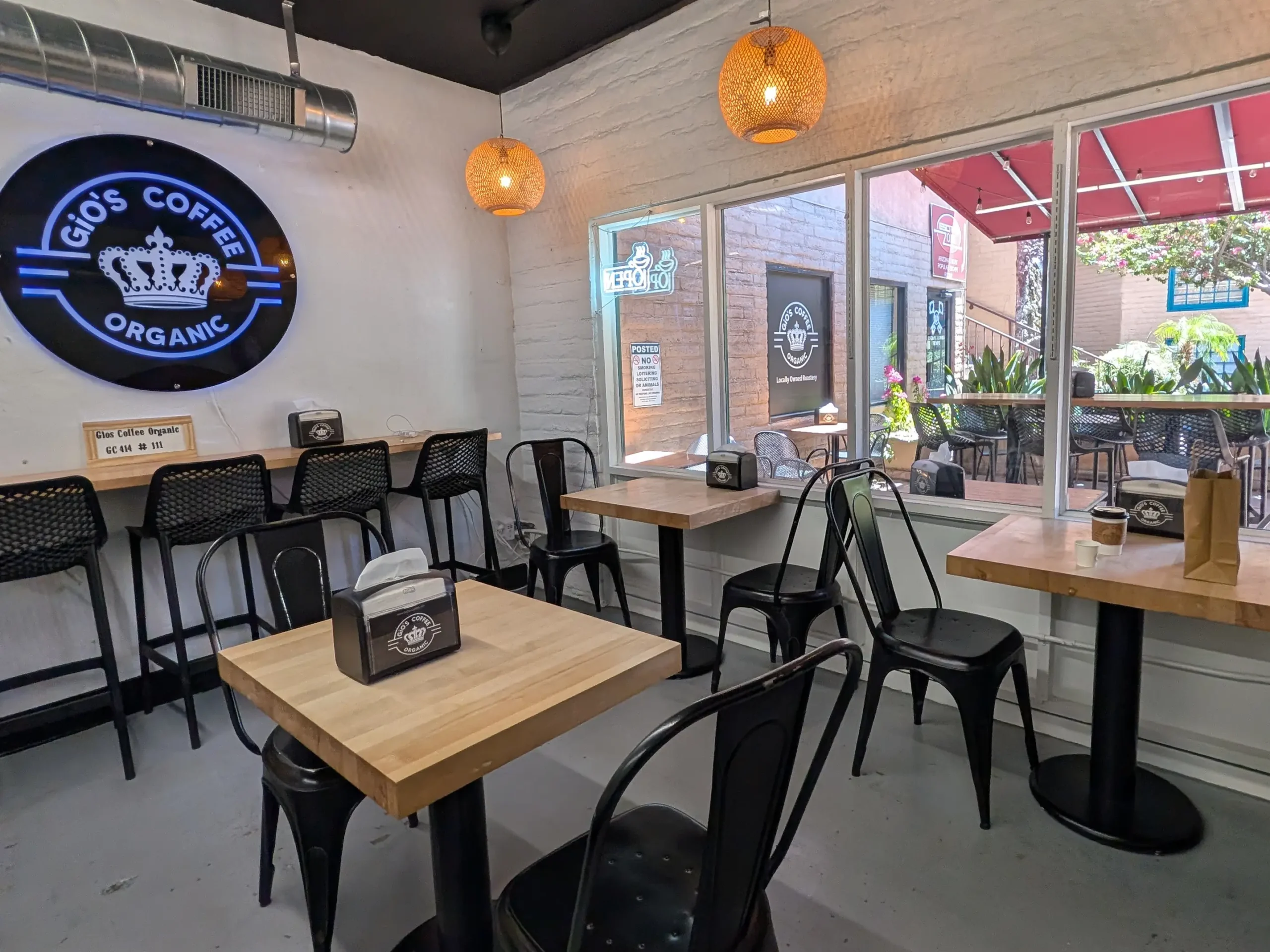
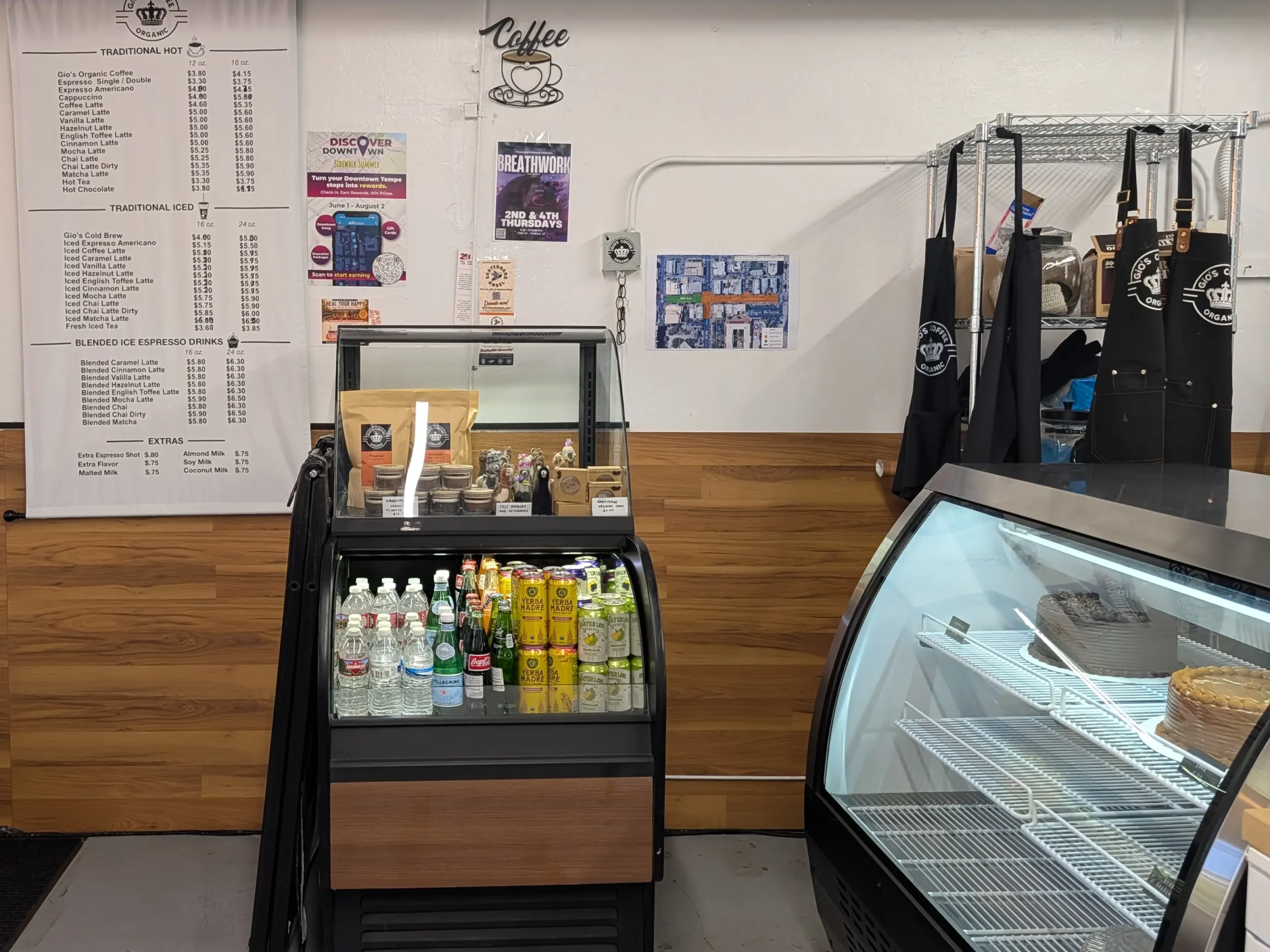
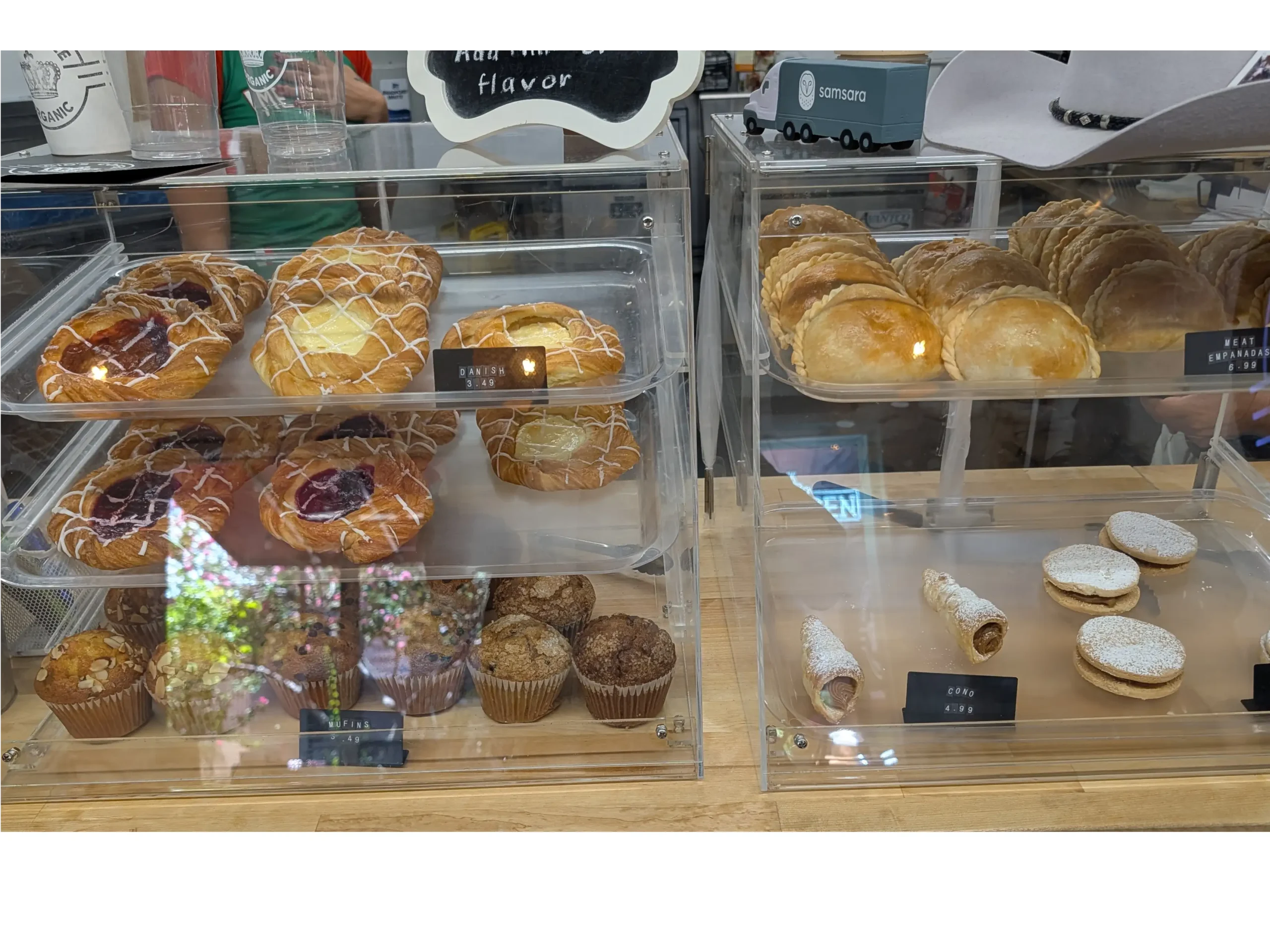
Mill Ave is a lot. Foot traffic, noise, students, scooters, the whole circus. So it is kind of wonderful that one of the coolest coffee stories in town is hiding right in the middle of it. Gio's sits tucked inside a brick courtyard in the Mill Avenue Shops and stepping in off the street feels like slipping into a quiet little secret. Pink bougainvillea spilling over the walls. Shaded benches. Green plants everywhere. It is a hidden oasis, and you would never guess it was steps from all that chaos.
As of this writing, the shop has only been open about a year but the coffee behind it goes back way further than that. Like four generations further.
Here is the story. Gio's is a true farm to cup operation, and I mean the real deal. The owner, Giovanna, comes from a family of fourth generation coffee farmers in Peru. The beans come from the family farm, Finca Maria-Canani, up in the mountain region of Villa Rica, where her family has been growing coffee for over 100 years. Giovanna and her husband roast the beans themselves out in Orange County, CA where they lived before landing in Arizona. So when you order a cup here, you are not just drinking single origin Peruvian coffee. You are drinking washed process, organic, single farm micro lot coffee from one specific family that has done this for a century. That puts Gio's in rare company among the farm to cup coffee shops in Arizona.
Now, real talk. The beans are roasted dark. My regular readers know dark roast is not my personal happy place, because the darker you go, the more those special origin characteristics get buried. Peruvian coffee is famous for chocolate, caramel and nutty notes. In my cup, the toasted nut notes came through loud and clear, which honestly surprised me. But the chocolate and caramel got mostly muted, with just faint hints hanging around. That is just my palate talking though. Plenty of folks live for a bold dark roast and if that is your lane, you are going to be very happy here. Me personally? I sat there daydreaming about what these beans would taste like at a medium roast. Oh man.
I also grabbed an Alfajores while I was there. If you have not had one, it is a little cookie sandwich. Two thin cookies with a filling tucked between them and powdered sugar dusted on top. Gio's buys the cookies but makes the filling in house and it hits this sweet salty caramel note that is not over the top. It pairs great with coffee or tea. They make a few other house made items too, like ground beef empanadas, though I did not get to those this visit.
The space itself is lovely. White painted brick walls against a dark ceiling, warm woven pendant lamps glowing over wood tables. There is seating inside, but this is really a patio spot at heart. The covered courtyard is going to be perfect once the weather cools down. Both Giovanna and the barista (Ms. Sofia) were genuinely warm and happy to talk, which makes the whole thing feel even more personal.
Gio's is not chasing trends or novelty drinks. It is built on something much harder to fake, a real family, a real farm and a hundred years of growing coffee. Dark roast or not, that is worth seeking out.
👉Click to View the Drink Menu
Note: Menu items are subject to change. Some items could be seasonal and may not be available.
TRADITIONAL HOT
Gio's Organic Coffee • Americano • Cappuccion • Espresso Single / Double • Coffee Latte • Caramel Latte • Mocha Latte • Vanilla Latte • Chai Latte (Dirty) • Matcha Latte • Hot Tea • Hot Chocolate
TRADITIONAL ICED
Gio's Cold Brew • Iced Americano • Iced Coffee Latte • Iced Caramel Latte • Iced Mocha Latte • Iced Vanilla Latte • Iced Chai Latte (Dirty) • Iced Matcha • Fresh Iced Tea
BLENDED ICE ESPRESSO DRINKS
Blended Caramel • Blended Cinnamon • Blended Mocha Latte • Blended Valilla Latte • Blended Hazelnut Latte • Blended Chai (Dirty) • Blended Matcha
Flavor
Extra Flavor
Milks
Malted Milk • Almond Milk • Soy Milk • Coconut Milk
👉Click to View the Food Menu
Note: Menu items are subject to change. Some items could be seasonal and may not be available.
BAKERY
Assorted Pastries • Assorted 1lbs (mini) loafs • Avocado Toast • Empanadas • Alfajores
GIO'S SALADS
BEET & AVOCADO SALAD • STRAWBERRY SALAD • GREEN SALAD
More Great Coffee in Tempe
All Coffee Shops in Tempe
Aden Coffee House
Laymoon Cafe
The Cafe @ Regroup
Infusion Coffee & Tea Crafters
/*
============================================
SECTION 4: MAIN CONTAINER & SECTION BUFFERING
============================================
*/
.az-nav-container {
background-color: #f8f5f1; /* Your cream background look */
padding: 15px 10px; /* Slightly adjusted top/bottom padding to accommodate multiple sections */
margin-top: 20px;
border-radius: 6px;
border: 1px solid #e8dfd6;
}
/*
NEW: BUFFER SPACE BETWEEN SECTIONS
This tells CSS: "If an .az-nav-section is NOT the last one in the container,
add space at the bottom." This prevents cramping but keeps the final box looking neat.
*/
.az-nav-section:not(:last-child) {
margin-bottom: 25px;
border-bottom: 1px solid #e8dfd6; /* Optional: A subtle divider line. Delete this line if you don't want a line between sections */
padding-bottom: 20px; /* Space above the divider line */
}
/*
============================================
SECTION 5: TITLE (HEADING TEXT)
============================================
*/
.az-nav-title {
font-size: 15px;
font-weight: 900;
line-height: 1.5;
margin-top: 0px;
margin-bottom: 12px; /* Adds breathing room between the title and the buttons */
color: #5D4037;
font-family: 'Roboto', sans-serif !important;
font-size: 18px !important;
}
/*
============================================
SECTION 6: BUTTON WRAPPER (LAYOUT)
============================================
*/
.az-nav-links {
display: flex;
flex-wrap: wrap;
gap: 8px;
}
/*
============================================
SECTION 7: INDIVIDUAL BUTTONS
============================================
*/
.az-nav-links a {
background-color: #4a3728;
color: #ffffff !important;
font-size: 14px !important;
padding: 8px 20px;
border-radius: 4px;
text-decoration: none;
display: inline-block;
line-height: 1.2;
min-width: 120px;
text-align: center;
transition: all 0.2s ease;
}
/*
============================================
SECTION 8: HOVER EFFECT (INTERACTION)
============================================
*/
.az-nav-links a:hover {
background-color: #7a5a44;
transform: translateY(-1px);
}
Number and Street:
414 S Mill Ave
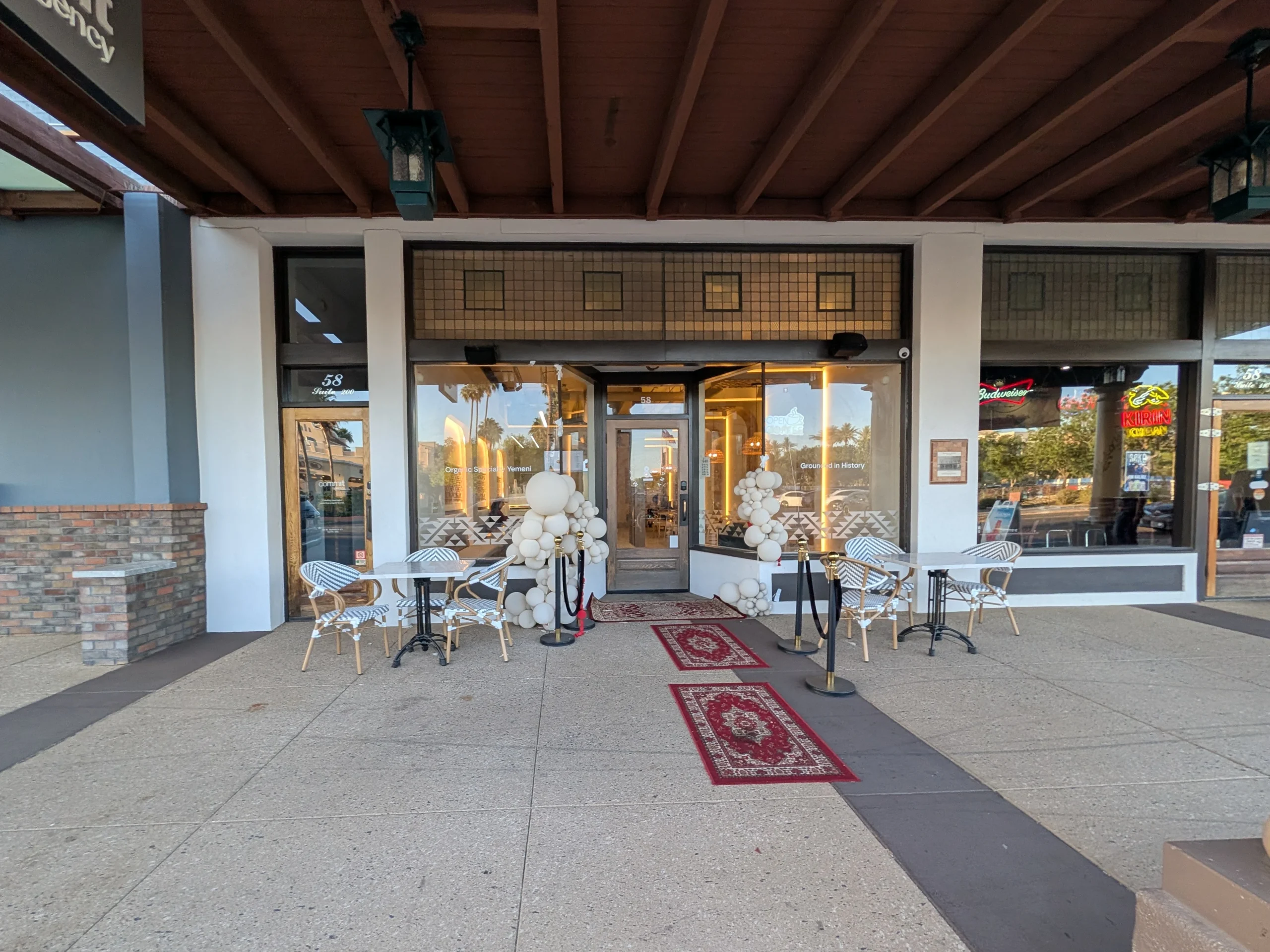
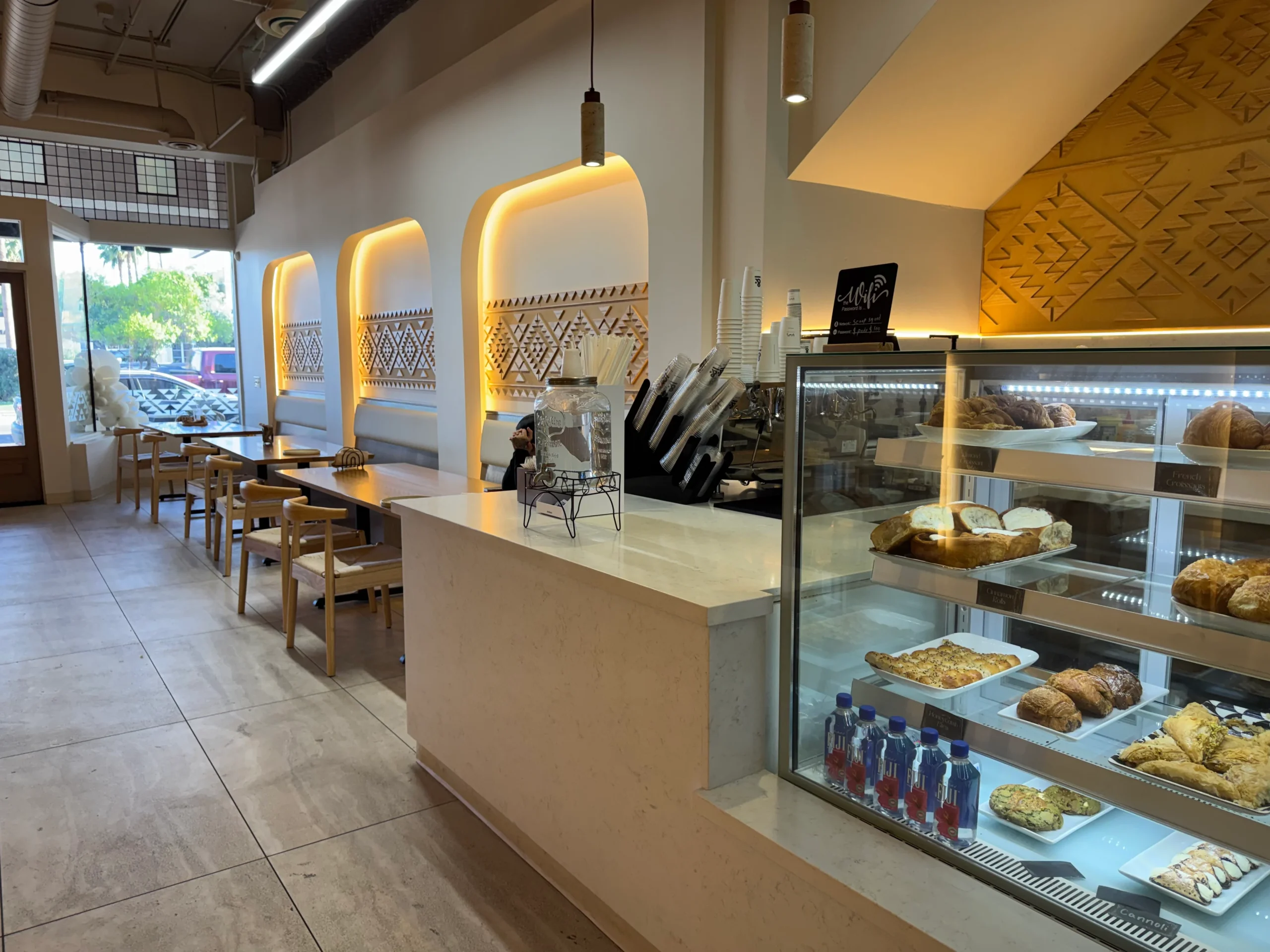
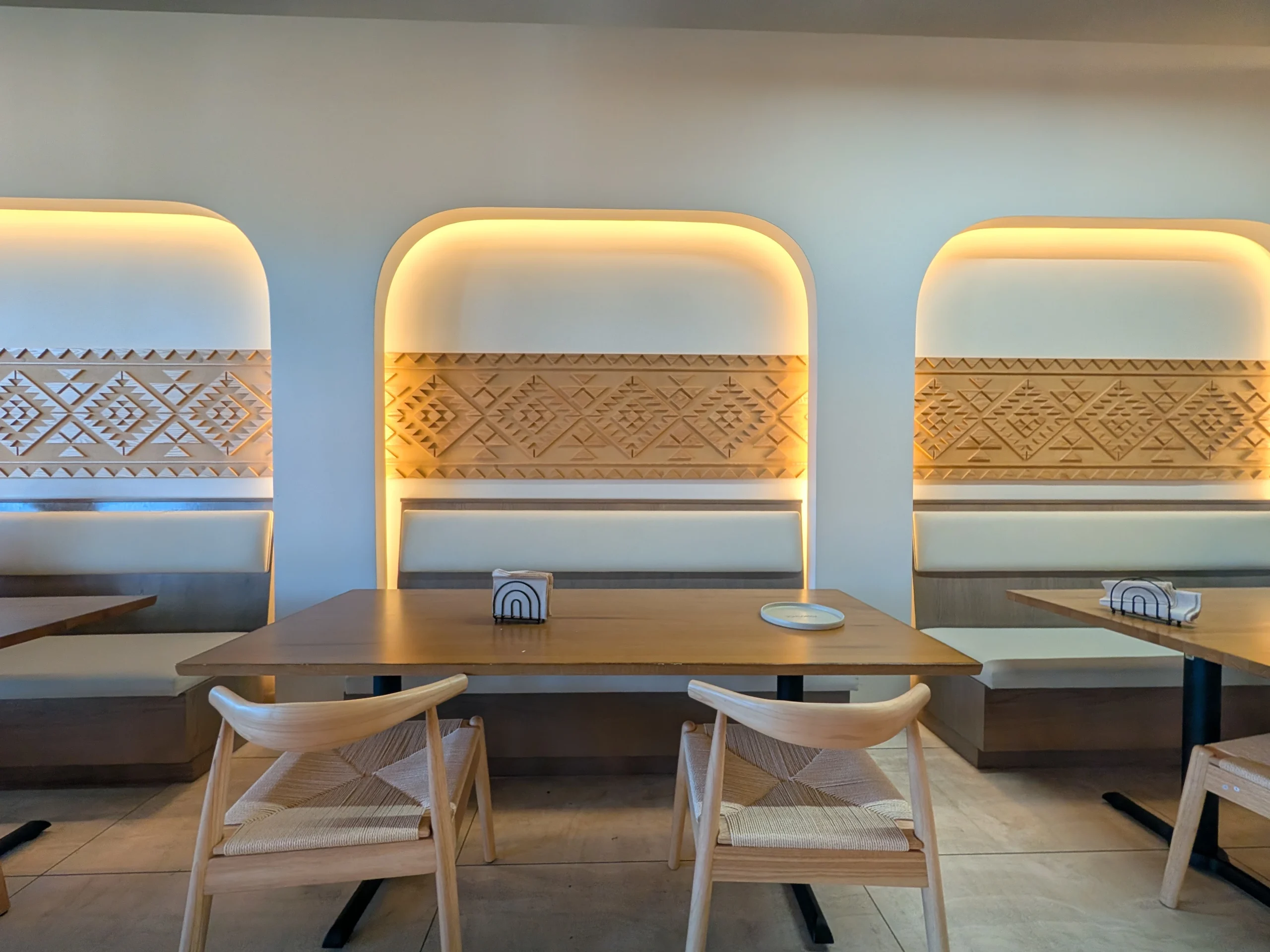
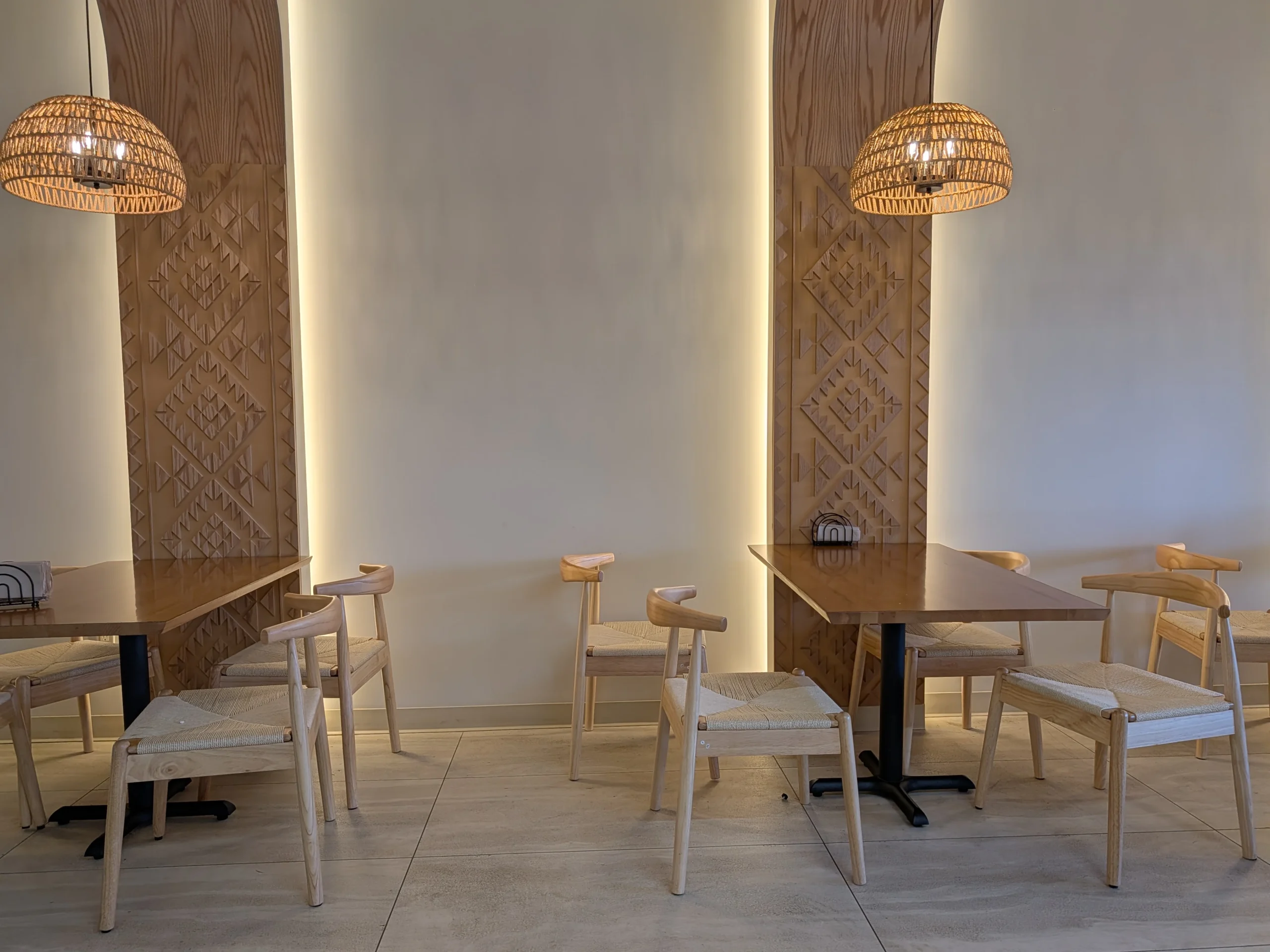
Moka & Co just opened a new location in downtown Chandler's Heritage District and it is easily one of the most visually striking coffee shops in the East Valley. If you care at all about design, walk in just for that. You will not regret it.
The space stops you in your tracks. Large floor to ceiling glass panes wrap the entrance. Inside, custom geometric wood carvings cover the walls and woven pendant lights hang overhead, all of it illuminated by soft backlighting that keeps the room warm but crisp. The barista counter is wrapped in bright marble. The furniture is sleek light wood with gorgeous woven chairs that somehow feel both minimal and comfortable at the same time. It is the kind of interior that makes you wonder who designed it and whether they do residential work. Oh, and there is a gorgeous Victoria Arduino espresso machine behind the bar. The Mesa location runs a super automatic machine. Chandler gets the Eagle One. We lucked out.
There are two outdoor seating areas, one in the front and one at the back. The front faces Chandler's Heritage District and the Crowne Plaza across the street. It is a great people watching spot with the park in view and steady foot traffic on a Friday evening. The back shares a wall with Craft 64's patio, which was absolutely packed during my visit. If you want quiet, go inside or sit out front. Indoors is remarkably calm with plenty of tables and power outlets if you need to plug in.
The area itself is one of the more walkable pockets in the East Valley. Dining, unique shops, Saturday farmers market and regular events make this a destination neighborhood worth spending a few hours in.
Now, the drinks. Moka & Co is a Yemeni specialty coffee brand with a genuine farm to cup story. The original founder comes from a family of coffee farmers in Yemen who continue to grow beans on high altitude farms to this day. That origin story is real and it matters. For the espresso, I asked the barista to show me the actual beans going into the grinder and they looked medium roast to my eye. But the shot pulled bold and dark, 18 grams at 28 seconds. My honest take is that I kept thinking about what those Yemeni beans could taste like if the roast let them speak a little more (to the lighter side). But that is my bias as someone who gravitates toward light roasts. Bold coffee drinkers will be genuinely happy here.
The Mufawar was the most interesting thing I tried. It is ground coffee mixed with cardamom, a touch of cinnamon and hints of ginger, all simmered with full fat milk or cream and strained into the cup. It arrives very hot and the cardamom leads from start to finish. It was good in its own way and it felt authentic. It is not for everyone but if cardamom is your thing, order it without hesitation.
The Adeni Chai was an unexpected highlight. I only had a small cold sample but the tea flavor was clean and dominant. Worth ordering.
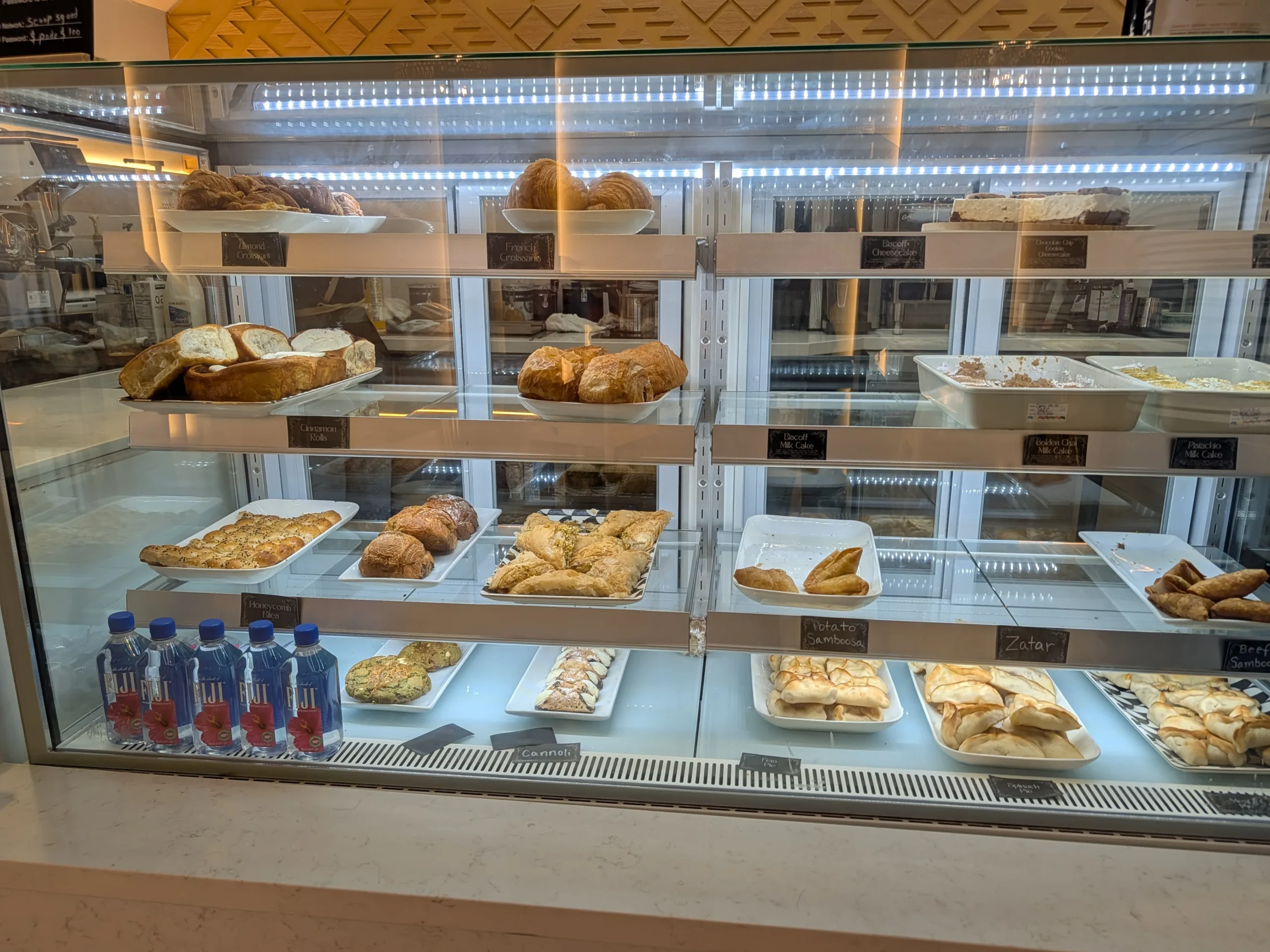
The food is worth your attention too. I tried the potato samboosa, the spinach pie and the feta pie. The feta pie was the clear winner, genuinely delicious with soft dough. The spinach pie was solid as well. The pastry case also has cinnamon rolls, almond croissants and various Middle Eastern options if you want something on the sweeter side.
Moka & Co is a family's legacy poured into a cup and carried across oceans to Chandler's old downtown. They are growing fast across Arizona and based on this Heritage District location, it is easy to see why. The brand is polished, the space is beautiful and the Yemeni coffee culture they are bringing to the East Valley is something most locals are only now getting their first look at. Go for the atmosphere, stay for the Mufawar and leave some room for the feta pie.
👉Click to View the Drink Menu
Note: Menu items are subject to change. Some items could be seasonal and may not be available.
Traditional Coffee
Mufawar • Maleki • Sana'ani • Qishr • Jubani • Saudi • Turkish
Traditional Coffee Tea
Adeni Chai • Yemeni Tea • Saffron Adeni • Iced Adeni Chai • Matcha Tea
Specialty Lattes
Dubai Chocolate Latte • Moka Spice Latte • Brown Sugar Shaken • Pistachio Latte • Saffron Latte • Biscoff Latte • Spanish Latte • Salted Caramel Latte • Caramel Macchiato • White Moka Latte
Matcha Lattes
Matcha • Pistachio Matcha • Lavender Matcha • Strawberry Matcha • Mango Matcha Latte
Espresso Bar
Espresso • Americano • Cappuccino • Latte • Mocha Latte • Cortado
Refreshers
Dragon Fruit • Passion Fruit • Vimto Fruit • Strawberry • Hibiscus • Mango
Coffee + More
House Brew • Cold Brew • French Press • Pour Over • Hot Chocolate
Frozen Blends
Lemon-Mint • Strawberry-Banana • Pineapple-Mango • Pineapple • Mixed Berry
Alt. Creamer
Alt. Creamer
👉Click to View the Food Menu
Note: Menu items are subject to change. Some items could be seasonal and may not be available.
Pastries & Sweets
Almond Croissant • French Croissant • Biscoff Cheesecake • Chocolate Chip Cookie Cheesecake • Cinnamon Rolls • Biscoff Milk Cake • Golden Chip Milk Cake • Pistachio Milk Cake • Honeycomb Bites • Baklava • Cookies • Cannoli
Savory Items
Potato Samboosa • Zatar • Beef Samboosa • Cheese Pie • Spinach Pie • Meat Pie
Check out the other Moka & Co's Mesa location here.
Explore Nearby Chandler Coffee Shops
Aristocrat Coffee Roasters
Levante Coffee
Momentto Coffee Roasters
Press Coffee Chandler
Peixoto Coffee Roasters
Mission Coffee And Tea
Bottle & Bean
Sagebrush Coffee Shop & Roastery
East Valley Coffee Guide
/*
============================================
SECTION 4: MAIN CONTAINER & SECTION BUFFERING
============================================
*/
.az-nav-container {
background-color: #f8f5f1; /* Your cream background look */
padding: 15px 10px; /* Slightly adjusted top/bottom padding to accommodate multiple sections */
margin-top: 20px;
border-radius: 6px;
border: 1px solid #e8dfd6;
}
/*
NEW: BUFFER SPACE BETWEEN SECTIONS
This tells CSS: "If an .az-nav-section is NOT the last one in the container,
add space at the bottom." This prevents cramping but keeps the final box looking neat.
*/
.az-nav-section:not(:last-child) {
margin-bottom: 25px;
border-bottom: 1px solid #e8dfd6; /* Optional: A subtle divider line. Delete this line if you don't want a line between sections */
padding-bottom: 20px; /* Space above the divider line */
}
/*
============================================
SECTION 5: TITLE (HEADING TEXT)
============================================
*/
.az-nav-title {
font-size: 15px;
font-weight: 900;
line-height: 1.5;
margin-top: 0px;
margin-bottom: 12px; /* Adds breathing room between the title and the buttons */
color: #5D4037;
font-family: 'Roboto', sans-serif !important;
font-size: 18px !important;
}
/*
============================================
SECTION 6: BUTTON WRAPPER (LAYOUT)
============================================
*/
.az-nav-links {
display: flex;
flex-wrap: wrap;
gap: 8px;
}
/*
============================================
SECTION 7: INDIVIDUAL BUTTONS
============================================
*/
.az-nav-links a {
background-color: #4a3728;
color: #ffffff !important;
font-size: 14px !important;
padding: 8px 20px;
border-radius: 4px;
text-decoration: none;
display: inline-block;
line-height: 1.2;
min-width: 120px;
text-align: center;
transition: all 0.2s ease;
}
/*
============================================
SECTION 8: HOVER EFFECT (INTERACTION)
============================================
*/
.az-nav-links a:hover {
background-color: #7a5a44;
transform: translateY(-1px);
}
Number and Street:
58 W Buffalo St
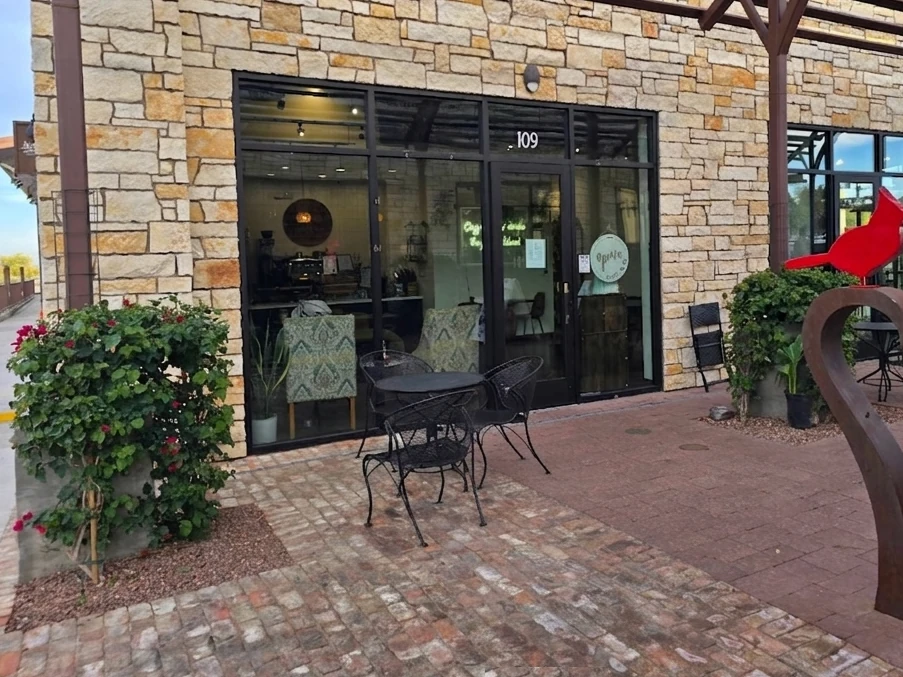
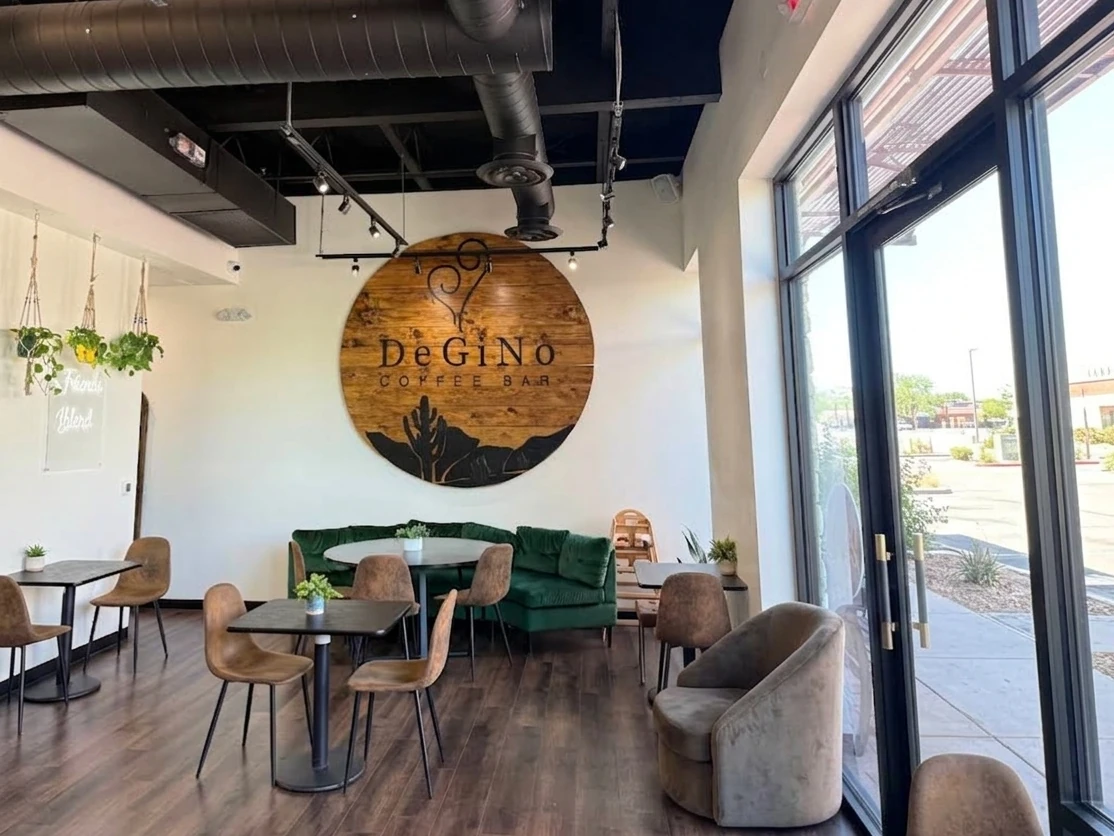
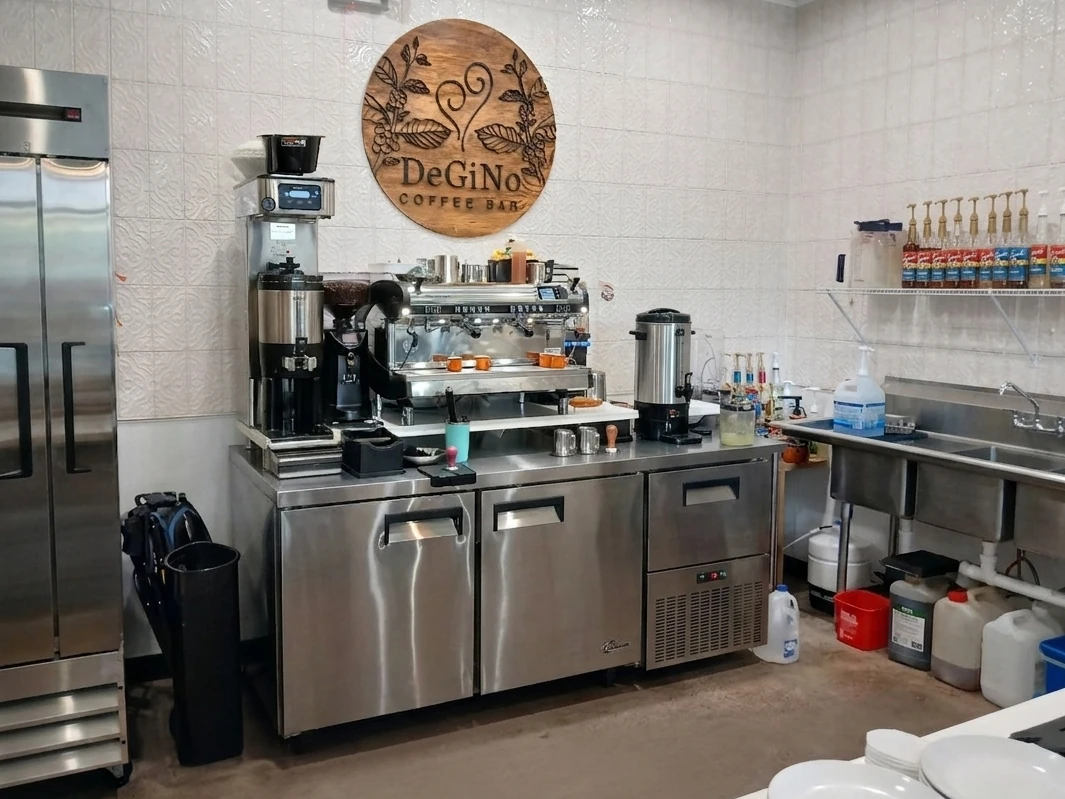
DeGiNo Coffee in Buckeye, AZ is a family owned coffee bar with a menu rooted in beans grown on the owners' own family plantation in Nayarit, Mexico. This one has a story worth knowing.
Inocente and Tania Cayetano are third generation coffee growers. Their family has been cultivating Arabica beans in the highlands of Nayarit for generations. Growing at high altitude in shaded terrain without chemicals or pesticides. At some point the family decided to bring that heritage directly to the cup and DeGiNo was born. Before the brick and mortar shop existed they were running a food truck. The shop came later.
The beans are organically grown, full bodied and low acid. And if you fall in love with your cup, bags are available to take home.
The space is small and full of character. Comfortable inside with a cute little patio out front that adds to the overall charm. It can get lively when packed but that is usually a sign that a neighborhood has found its spot.
The staff here genuinely stands out. Every person I interacted with had a warm and positive attitude that felt completely natural rather than scripted. Small touches such as writing positive notes on the cups are nice. It sounds minor but it sets the tone for the whole visit in a way that is hard to forget.
DeGiNo is the kind of place that earns your loyalty fast. A real family story, honest coffee and a team that makes you feel like a regular on your first visit.
▶Click to View the Drink Menu
Note: Menu items are subject to change. Some items could be seasonal and may not be available.
House Specialties (Lattes)
Cinnamon Cookie • White Chocolate Mix • Caramel Snow • MexiMocha • Day & Night • Cinnamon Latte • Mocha Truffle • Coconut Mocha • Sweet & Salty • Bunuelo Latte • Honey Oat Shaken
Coffee and Espresso
Chai Tea • Organic Drip Coffee • Americano • Mocha Latte • Cortado • Cappuccino • Caramel Macchiato
Coldbrew
Salted Caramel • White chocolate • Vanilla • Caramel • Hazelnut • Coconut
Flavorbulls (Energy Drinks)
Fairy Boost • Spicy Peach Watermelon • Stop To Paradise • PineBerry Blast • Summer Blush • Buckeye Sunset
Natural Boost (Plant Base Energy)
Pomegranate • Raspberry • Lime Lemonade • Gianna's Lotus
Popping Boba
Peach • Mango • Strawberry
Lemonades
Strawberry • Watermelon • Raspberry • Peach
Non Coffee
Taro Milk Tea • Chai Tea • Matcha (Vanilla/Strawberry) • Chocolate Dubai Matcha
Teas
Green • Peach • Black
House Drinks
Love You Berry M • Be Mine Latte • Love Potion • Cookies & Cream ColdBrew • Banana Bread Matcha • Banana Cloud Latte
Summer Drinks
Cookies and Cream Coldbrew • Tropical Refresher • Coconut Taro w/coconut cold foam • Cookies&Cream Frappe • Mango Strawberry Italian Soda
Milks & FlavorsAlmond • Oat • Soy
Sugar Free Flavors
Caramel • Vanilla • Mocha • Peach • Watermelon • White Chocolate
▶Click to View the Food Menu
Note: Menu items are subject to change. Some items could be seasonal and may not be available.
Breakfast & Light Bites
Berry Parfait • Grilled PB&J • Power Bagel • Plain Bagel with Cream Cheese • Bagel Sandwich
Toasts
Classic Avocado Toast • Protein Avocado Toast
Salads
DeGiNo Garden Salad
Kids Menu
Mini Avo—Egg Toast • Hazelnut Toast • Mini Classic Avocado Toast • Chocolate milk • Milk • Vanilla or Strawberry MilkShake • Flavored Lemonade with popping boba
Explore Top Phoenix Coffee Shops
All Coffee Shops in Phoenix
Moxie Coffee Co.
Indigo Room Coffee
Futuro
WeBe Coffee Roasters
The Coffee Builders
Daydreamer Coffee
Collective Coffee
/*
============================================
SECTION 4: MAIN CONTAINER & SECTION BUFFERING
============================================
*/
.az-nav-container {
background-color: #f8f5f1; /* Your cream background look */
padding: 15px 10px; /* Slightly adjusted top/bottom padding to accommodate multiple sections */
margin-top: 20px;
border-radius: 6px;
border: 1px solid #e8dfd6;
}
/*
NEW: BUFFER SPACE BETWEEN SECTIONS
This tells CSS: "If an .az-nav-section is NOT the last one in the container,
add space at the bottom." This prevents cramping but keeps the final box looking neat.
*/
.az-nav-section:not(:last-child) {
margin-bottom: 25px;
border-bottom: 1px solid #e8dfd6; /* Optional: A subtle divider line. Delete this line if you don't want a line between sections */
padding-bottom: 20px; /* Space above the divider line */
}
/*
============================================
SECTION 5: TITLE (HEADING TEXT)
============================================
*/
.az-nav-title {
font-size: 15px;
font-weight: 900;
line-height: 1.5;
margin-top: 0px;
margin-bottom: 12px; /* Adds breathing room between the title and the buttons */
color: #5D4037;
font-family: 'Roboto', sans-serif !important;
font-size: 18px !important;
}
/*
============================================
SECTION 6: BUTTON WRAPPER (LAYOUT)
============================================
*/
.az-nav-links {
display: flex;
flex-wrap: wrap;
gap: 8px;
}
/*
============================================
SECTION 7: INDIVIDUAL BUTTONS
============================================
*/
.az-nav-links a {
background-color: #4a3728;
color: #ffffff !important;
font-size: 14px !important;
padding: 8px 20px;
border-radius: 4px;
text-decoration: none;
display: inline-block;
line-height: 1.2;
min-width: 120px;
text-align: center;
transition: all 0.2s ease;
}
/*
============================================
SECTION 8: HOVER EFFECT (INTERACTION)
============================================
*/
.az-nav-links a:hover {
background-color: #7a5a44;
transform: translateY(-1px);
}
Number and Street:
20940 W Sentinel Dr

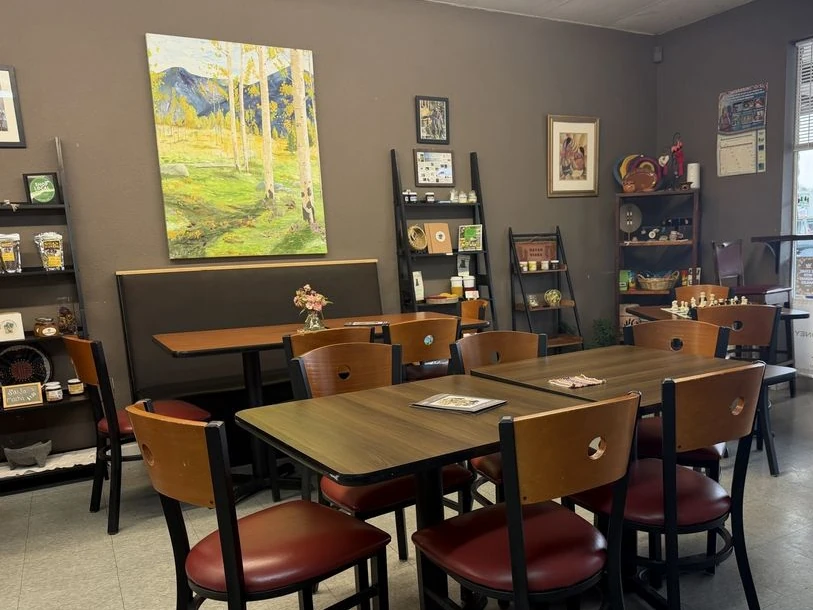
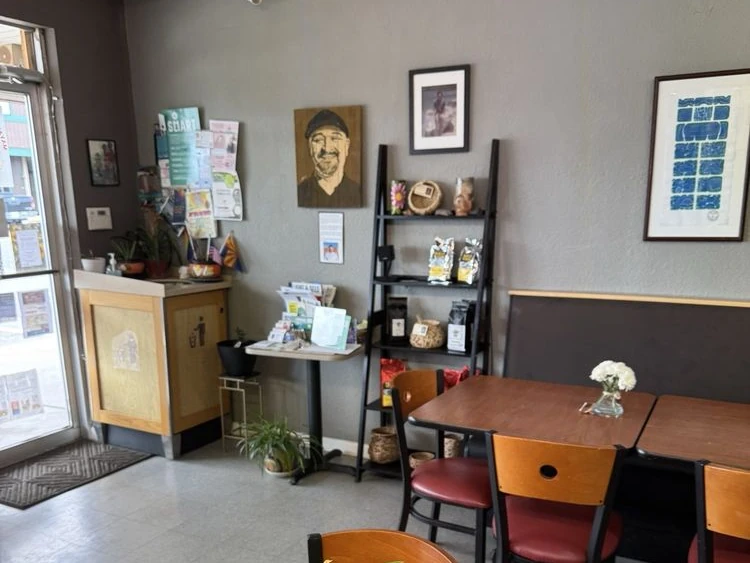
Flagstaff has a hidden gem that brings the authentic soul of Chiapas Mexico right to the mountains. Mayan Winds Coffee Emporium is easily one of the most heartwarming spots you will find in town because the owners source organic beans directly from family farms in Latin America. You can taste the difference in every single cup and I was blown away by the rich Mexican Mocha which has just the right kick of cayenne and cinnamon. You really need to ask for a sample of their traditional cacao or honey while you are there because the owner loves sharing the history behind them. The vibe is super peaceful with vinyl records playing in the corner and plenty of comfy seating. Do not leave without trying a pistachio muffin or a spicy chai because they are absolute game changers.
Number and Street:
2144 N Fourth St
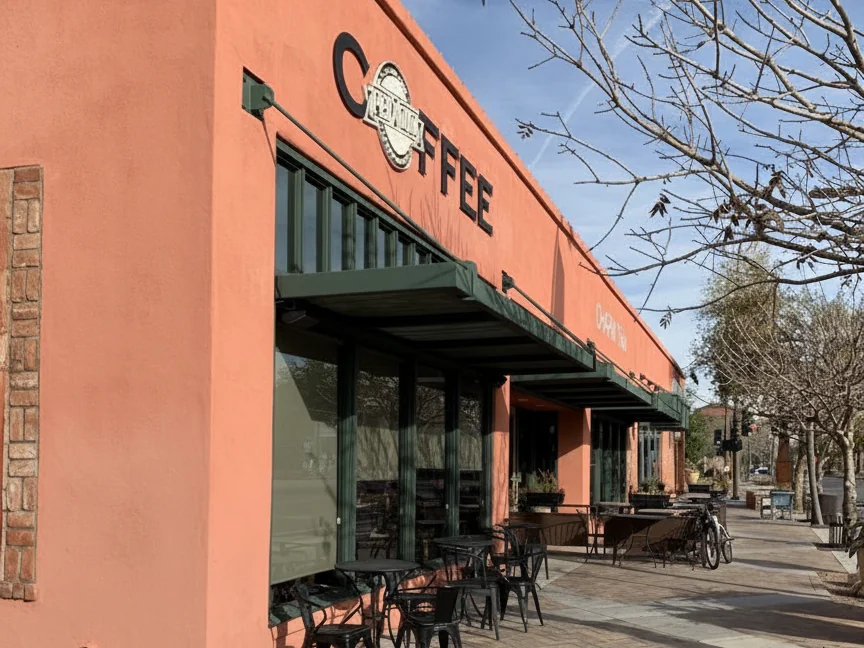
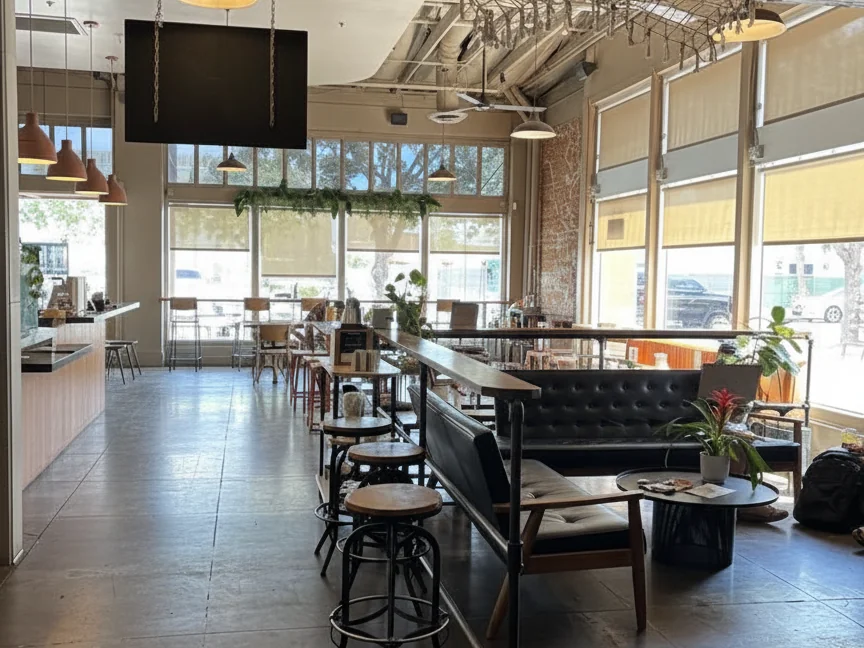
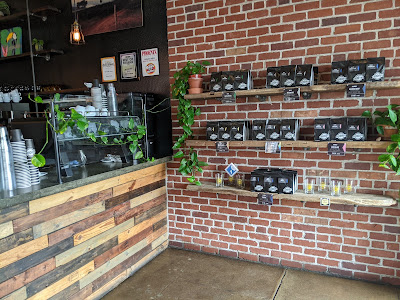
Think your local coffee shop really knows its beans? Peixoto does not just know them, they grew them! On their family farm in Brazil where the Peixoto name has been tied to coffee for over a century.
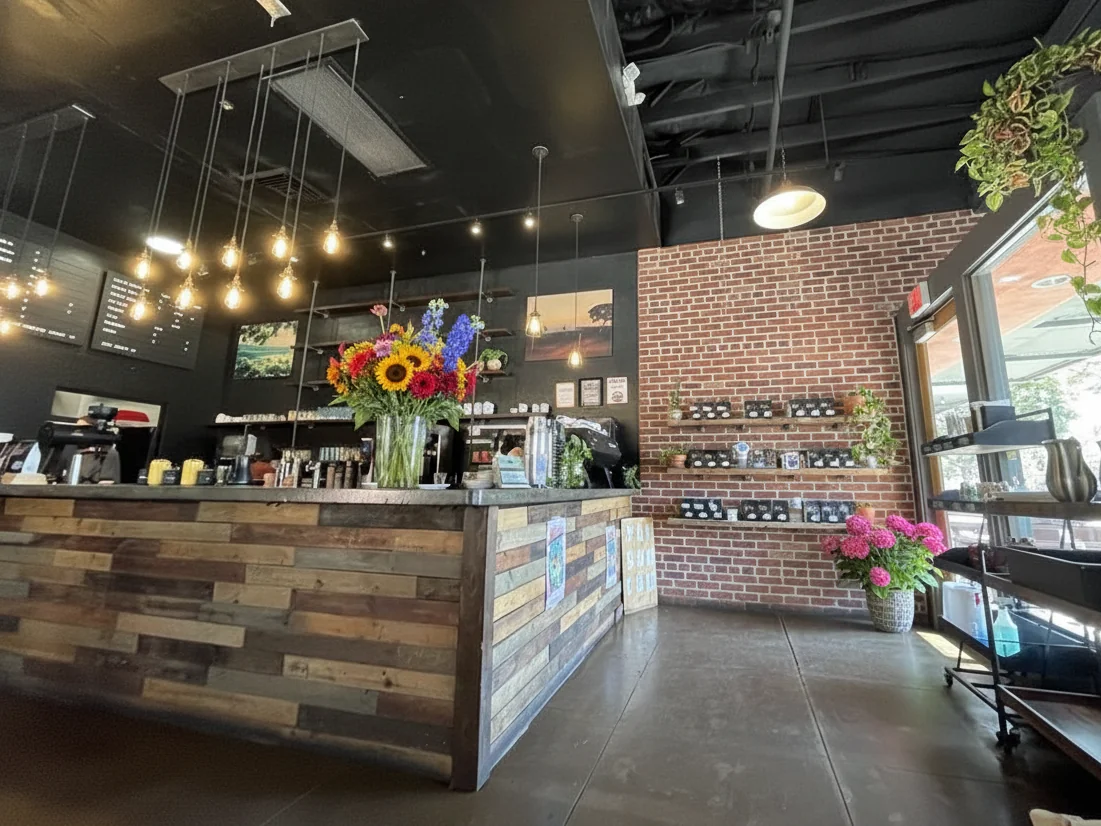
Walk into this place and the first thing that hits you is the light. High ceilings pull your eyes up to exposed beams and industrial touches that somehow feel warm instead of cold. Hanging pothos plants cascade down from above (and they look healthy, which means someone here actually cares). The space breathes. Natural sunlight pours through the windows and catches on the glassware they use for every drink. These are not paper cups. Your latte arrives in actual glass that shows off the layers and the foam art.
The smell is what keeps you there. Fresh roasted coffee with none of that burnt edge you get at places that do not understand their beans. Peixoto roasts light to let the natural flavors come through. Their espresso leans bright and fruity. It tastes different because it is different. This is honey processed coffee from their own farm at Fazenda Sao Jose da Boa Vista in Minas Gerais.
The seasonal menu changes with intention. Right now you might find a Hot Honey Latte with cayenne that somehow works. Or a Kettle Corn creation that balances salt and sweet in ways that should not make sense but do. The Coconut Cold Brew returns every summer and people plan their visits around it. The Strawberry Pistachio gets layered in pink and cream and topped with freeze dried berries that crunch.
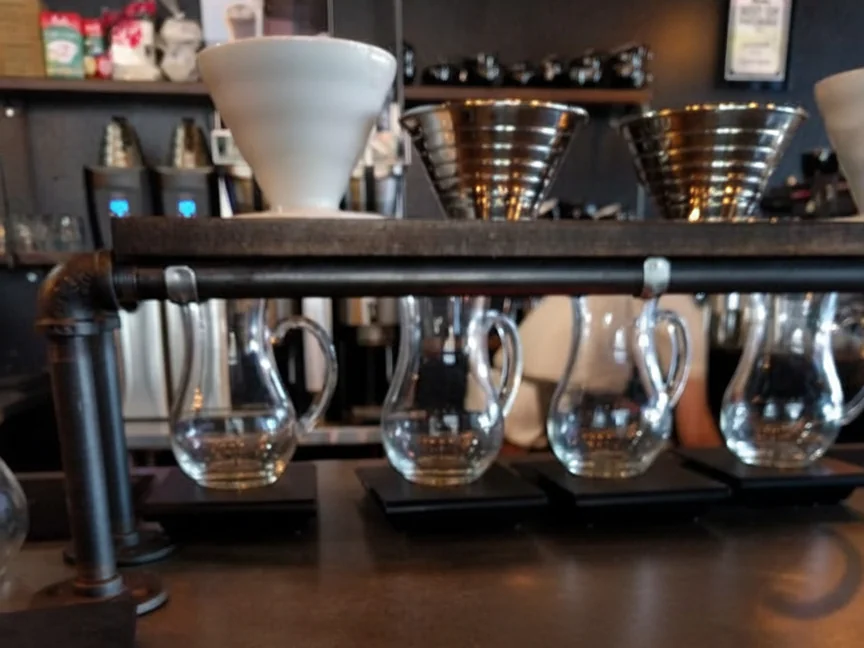
Behind the counter sit baristas who pull shots on equipment that matters. They do manual pour overs with gooseneck kettles. They understand extraction times and water temperature. When you watch them work you see people who actually know coffee instead of just following a recipe card.
The pastries come from local bakeries and rotate daily. Get there early if you want the almond croissants (buttery layers for days) or the cardamom buns on Tuesdays. The macarons are delicate enough to justify the price. Everything sells out because everything is actually good.
The crowd is a mix. College students claimed corners with laptops. Friends catch up at small tables. Someone in the back is on a video call. The vibe stays relaxed even when the line stretches. Music plays at a volume that lets you think (rare these days). You can sit outside along the street and watch downtown Chandler move past you.
This is the original location. The one that started it all in 2015 when Julia and Jeff Peixoto left corporate jobs to do something that mattered more. The space feels lived in now. Comfortable. A place that knows what it is and does not need to prove anything.
Parking can require patience during peak hours. The place fills up on weekends. But there is a parking garage nearby that makes it work. And honestly, once you taste what they are doing here, you stop caring about the walk.
This is what happens when a family decides their legacy matters more than scale. The farm connection is not a story they tell to sell coffee. It is the actual reason the coffee tastes this way. Worth the trip to downtown Chandler whether you stay for hours or just grab something perfect to go.
See also Peixoto Coffee Roaster' Gilbert location.
Number and Street:
11 W Boston St