Arizona Coffee Shop Directory

summer2026

Feature Page

Farm to Cup Coffee
Shops in Arizona

Seed to Cup Cafes With Direct Farm Sourcing.

Beans that traveled a shorter, more humane path than almost any cup in the country.

07
Cafes Covered
03
Continents
120+
Partner Farms
100%
Direct Trade
Definition

What Does Farm to Cup Actually Mean?

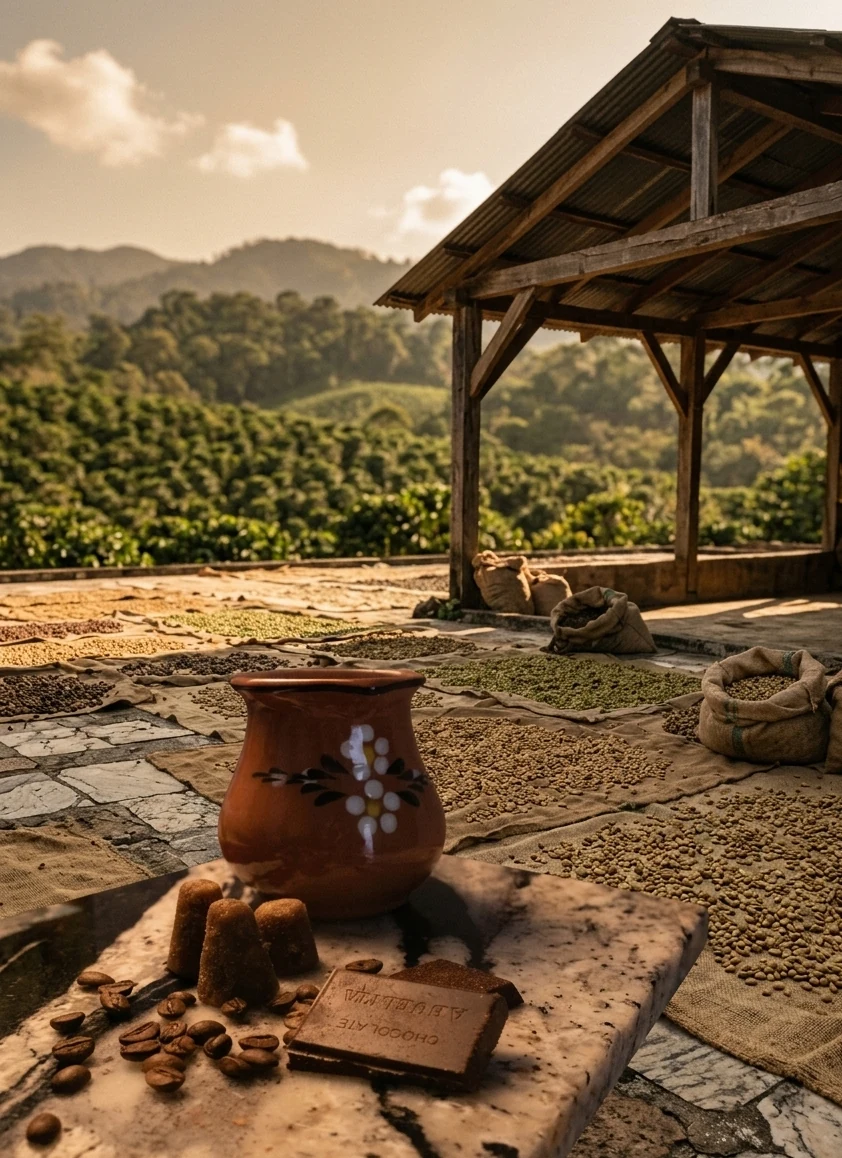
A sourcing model where the cafe holds a direct relationship with the farm that grew the bean. No broker or anonymous wholesale lot. The shop owner knows the farmer by name, the elevation, the harvest date and the processing method on every bag.

Seed to cup coffee goes one step further than farm to cup. It traces every stage from the planting of the coffee seed through harvesting, processing, roasting, and brewing. A seed to cup operation is almost always also farm to cup, but not every farm to cup shop tracks the full seed stage.

The Arizona coffee shops featured on this page all meet the farm to cup standard. A few of them go further. Several are owned by families who also own or operate the coffee farm itself, which is the most direct version of this model possible.

Why Farm to Cup Coffee Matters

An average bag of coffee passes through five or six middlemen before it reaches your cup. Each takes a margin. Each adds weeks. By the time a typical bean is brewed, the farmer has received pennies on the dollar and the coffee may be six to twelve months past harvest. The result of cutting that out shows up three ways.

Freshness

Beans land in cafes weeks after harvest, not seasons later. The cup tastes brighter, sweeter, more alive.

Traceability

Every cup ties back to a named farm, a specific lot and a documented harvest date. No anonymity, no guesswork.

Equity

Farmers receive multiples of commodity pricing for their work. Quality of life rises with quality of bean.

The Featured

Coffee Shops With Direct Farm Sourcing

Three of our favorite specialty roasters, each pouring beans whose journey can be named, dated, and credited to the families who grew them.

8 Listings
La Marzocco
Tempe
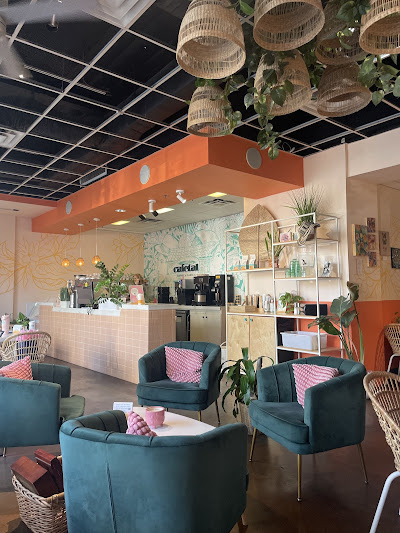
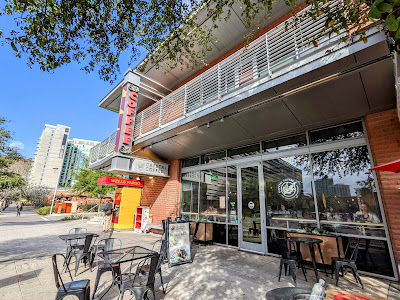
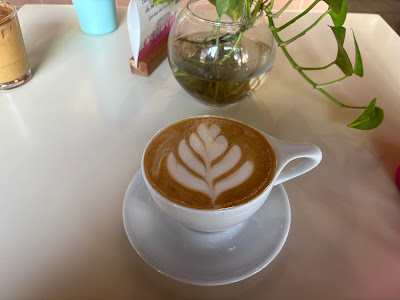
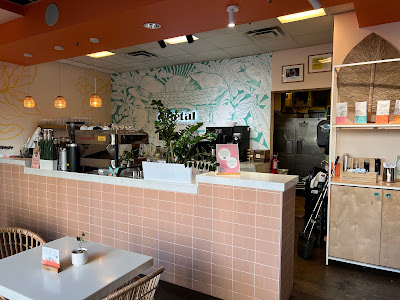
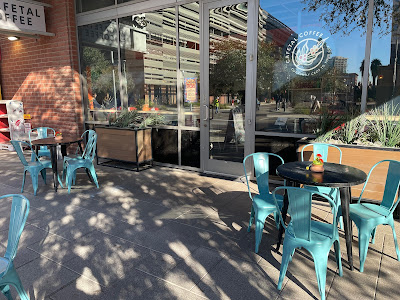
Cafetal Coffee offers a heartfelt taste of Colombia right in the heart of Tempe! This is a true farm-to-cup experience, where the delicious and smooth coffee is grown on their own 6th generation family coffee farm before being locally roasted. You can taste the pride and passion in every single cup from a perfectly crafted latte to one of their wonderfully inventive seasonal creations. The food menu is just as incredible featuring authentic Colombian staples like delicious Arepas and savory Empanadas that perfectly complement the coffee. More than anything, what makes Cafetal so special is the atmosphere. Stepping inside feels like being welcomed into a family's living room! For a coffee experience that is as authentic and heartwarming as it is delicious, Cafetal is an absolute must visit. Check out other great Tempe Cafes near ASU.
Number and Street: 777 S College Ave #101
Sanremo
Gilbert
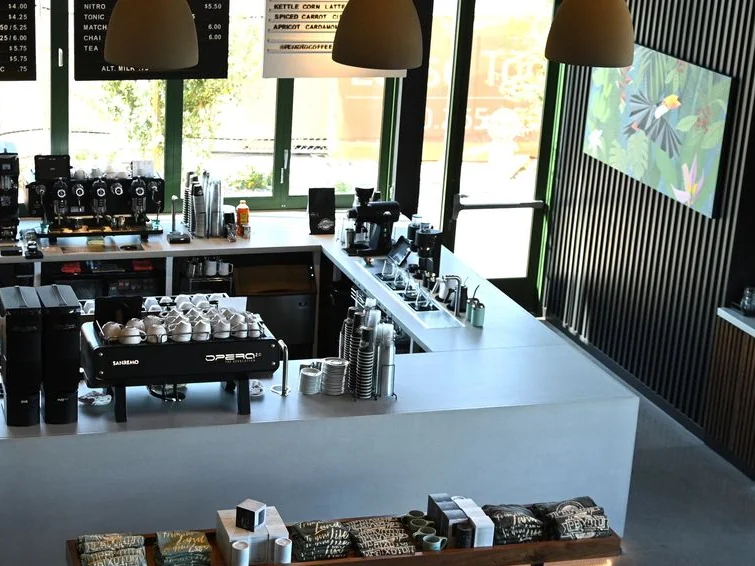
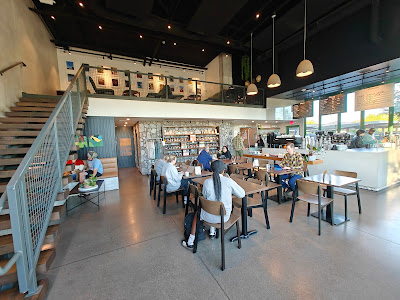
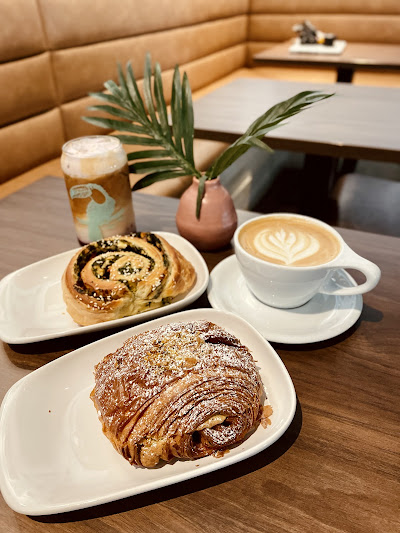
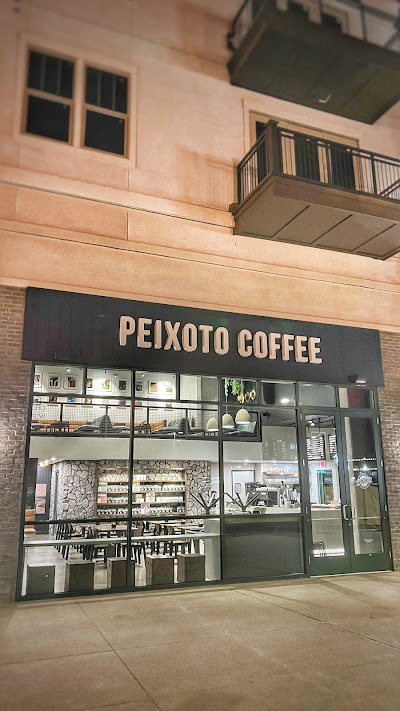
What does coffee taste like when the family who grew it also roasts it and serves it to you? At Peixoto, you get to find out. They own their farm in Brazil. The family has been growing coffee there for over a century. This is not some marketing line about partnerships or fair trade stamps. This is actual crop to cup integration that maybe a handful of places in the entire country can claim. It matters because you taste the difference. The space itself feels like walking into a minimalist tech office but in a good way. Modern and airy with two floors. The upstairs has this loft situation with comfy chairs and outlets everywhere. People camp out here to work (like seriously camp out). You might have to hunt for a table during peak hours but the atmosphere makes it worth the search. The seasonal drinks get creative without being obnoxious about it. The Coconut Cold Brew comes back every summer and people lose their minds over it! The Hot Honey Latte has a cayenne kick that works better than it sounds like it should. The matcha is smooth and not chalky (which is rarer than you would think). You can get most drinks as either espresso or matcha. This is brilliant because some days you want caffeine that punches you in the face and other days you want something gentler. They use macadamia nut milk and oat milk. No almond milk though so do not ask. The baristas know what they are doing with pour-overs and actually use gooseneck kettles like they are supposed to. When someone takes the time to do manual pour-overs properly, you notice. Behind the bar sit two Sanremo Opera 3 group head espresso machines. That is six total group heads that could be working at any given time. This is serious firepower that lets them handle volume without sacrificing quality. The pastries rotate and come from local bakeries. Get there early if you want food because they sell out. The macarons are delicate and worth trying if they have them. On Tuesdays they do Swedish baked goods including cardamom buns with almond paste that are genuinely excellent. The variety keeps things interesting. At peak times, lines could look intimidating but they move fast. You will get your drink quickly even when the place is packed. The whole operation runs efficiently. Fair warning about pricing. A 16 ounce specialty latte will run you around eight bucks. Some people think this is reasonable for good coffee from a family farm while others think its steep for their daily routine. You decide where you land on that. This is what happens when a family decides to bring their century of coffee farming expertise to Arizona. The farm connection is real. The equipment is professional grade. The execution is there in every cup. Worth the trip to Peixoto in Agritopia whether you are settling in to work for hours or just grabbing something excellent to go. See also Peixoto Coffee Roasters' Chandler Location
Number and Street: 3150 E Ray Rd
The Method

From Seed to Your Cup

A coffee seed becomes a tree in nine months, gives meaningful yield by year five, then travels seven more steps before it lands in your hands. Each step changes the cup. A direct sourced cafe cares about every one.

01

Seed

Selected, planted, and nursed for nine months in shaded nurseries.

02

Tree

Three to five years before the tree yields meaningful fruit.

03

Cherry

Hand picked at peak ripeness during the harvest window.

04

Process

Washed, natural, or honey methods. Each path changes the cup.

05

Export

Bagged, graded, and shipped within months of harvest.

06

Roast

Origin profile drives the curve. Small batches preferred.

07

Cup

Brewed within weeks of roast date. The result lands here.

Advertisement / Sponsored
This space is reserved for a sponsor.
Standard ad slot 728 x 90 / responsive placeholder
Reader Questions

Frequently Asked
Questions

The questions below come up most often from drinkers new to direct sourced coffee. Tap any row to expand.

Farm to cup describes the sourcing relationship between the cafe and the farm. Seed to cup describes the entire supply chain from planting to brewing. A seed to cup cafe usually also handles roasting in house and tracks each step of processing. In practice the terms overlap heavily and most cafes use them interchangeably to signal direct sourcing and tight quality control.

Probably yes. Most major metro areas now have at least one cafe practicing direct sourcing. Look for shops that name the farm, the producer, and the harvest year on their menu or bag. If a cafe can tell you the elevation and the processing method without checking a label, you have likely found one.

Direct sourced coffee often costs growers more to produce. Hand picking at peak ripeness, careful processing, and traceability all add labor. Cafes also pay multiples of commodity pricing rather than the bottom rate set by the global C market. The price you pay reflects an honest cost of growing exceptional coffee with dignity.

Many farm partners welcome visits during harvest season. Some cafes even run small group origin trips for customers. Reach out to the shop directly. Owners who care enough to travel to a farm twice a year will usually be glad to help connect a curious drinker to that same farm.

A real farm to cup shop has a documented relationship with at least one specific farm, knows the family who runs it, pays above commodity pricing, and roasts beans within months of arrival. Marketing language alone does not count. Ask where, who, and when. The answers will tell you everything.

Subscribe

Receive the next edition.

Seasonal selections and a new city guide delivered to your door each quarter.

Compare List
Please Add a first listing
Compare Now