Arabica & Robusta Coffee Prices Today Live Green Coffee Charts
Chart data as of October 19, 2026. Live prices update in real time during market hours.
Track live coffee futures and green coffee prices in real time on this commodity dashboard. Wholesale values for specialty Arabica and commercial Robusta beans update continuously through global ICE Coffee C market data feeds from Capital.com and BlackBull Markets. Use the interactive charts below to monitor the current Arabica coffee price per kg, Robusta futures, the US Dollar Index (DXY), and the Brazilian Real (USD/BRL). Each indicator directly affects how much coffee shops, roasters, and importers pay for green coffee beans worldwide.
Arabica Coffee Futures Price (Live Chart)
Arabica Market 1-Week Closing History Data
| Date | Close (per pound) | Daily change |
|---|---|---|
| Oct 20, 2026 | $3.14 | -0.4 percent |
| Oct 19, 2026 | $3.16 | +3.3 percent |
| Oct 16, 2026 | $3.06 | +3.7 percent |
| Oct 15, 2026 | $2.95 | -1.1 percent |
| Oct 14, 2026 | $2.98 | +1.8 percent |
| Oct 13, 2026 | $2.93 | +0.7 percent |
Arabica coffee futures are widely used as the global benchmark for specialty coffee pricing, with daily indicator prices published by the International Coffee Organization. Weather conditions, crop yields, transportation costs, and global demand can all influence Arabica futures prices. Most specialty coffee shops and premium roasters rely heavily on Arabica beans.
How to Read the Arabica Coffee Price Chart
The blue line shows the daily closing price for Arabica coffee futures in US cents per pound. The colored bars at the bottom represent daily trading volume. Green bars indicate buying pressure (price closed higher than open) and red bars indicate selling pressure (price closed lower than open). Switch the timeframe selector between 1 minute, 30 minute, 1 hour, and daily candles to zoom into short term volatility or zoom out to long term trends.
Arabica Coffee C closed at $3.14 per pound (314.3 US cents per pound) on ICE, October 20, 2026. 30 day change +13.7 percent (up). 52 week range $2.44 to $4.23 per pound.
The live chart below updates through the trading day, so its price can differ from the last close.
30 day average (ICE Coffee C): $2.91 per pound.
Arabica Coffee Price Chart
What Drives the Arabica Coffee Price
- Brazilian harvest conditions (frost, drought, and rainfall in Minas Gerais)
- Global stockpile data (ICE certified inventory reports)
- Currency movements (Brazilian Real and US Dollar Index)
- Roaster demand (large roaster hedging activity and retail consumption data)
View Arabica Closing Trends (20-days)
| Date | Close (per pound) | Daily change |
|---|---|---|
| Oct 20, 2026 | $3.14 | -0.4 percent |
| Oct 19, 2026 | $3.16 | +3.3 percent |
| Oct 16, 2026 | $3.06 | +3.7 percent |
| Oct 15, 2026 | $2.95 | -1.1 percent |
| Oct 14, 2026 | $2.98 | +1.8 percent |
| Oct 13, 2026 | $2.93 | +0.7 percent |
| Oct 12, 2026 | $2.91 | +1.3 percent |
| Oct 9, 2026 | $2.87 | -0.7 percent |
| Oct 8, 2026 | $2.89 | -1.2 percent |
| Oct 7, 2026 | $2.93 | -3.9 percent |
| Oct 6, 2026 | $3.04 | +4.1 percent |
| Oct 5, 2026 | $2.93 | +1.3 percent |
| Oct 2, 2026 | $2.89 | +0.2 percent |
| Oct 1, 2026 | $2.88 | -0.8 percent |
| Sep 30, 2026 | $2.91 | +0.4 percent |
| Sep 29, 2026 | $2.89 | +0.2 percent |
| Sep 28, 2026 | $2.89 | +3.6 percent |
| Sep 25, 2026 | $2.79 | +1.2 percent |
| Sep 24, 2026 | $2.75 | -0.2 percent |
| Sep 23, 2026 | $2.76 | +1.3 percent |
Robusta Coffee Futures Price (Live Chart)
Robusta coffee futures price in US dollars, traded on the ICE Robusta Coffee contract. Robusta beans are the workhorse of commercial blends, instant coffee and most espresso bases used in chain cafes. The Robusta to Arabica spread (visible by comparing both charts) signals whether roasters will lean toward cheaper blends or premium single origin Arabica sourcing this season.
Robusta vs Arabica Price Spread Explained
When the price gap between Arabica and Robusta widens, commercial roasters increase the Robusta percentage in their blends to protect margins. When the spread narrows, specialty roasters gain a cost advantage and Arabica demand strengthens. Tracking both charts side by side gives you an early signal on blend reformulation across the industry.
Vietnam and Brazil Production Impact on Robusta
Vietnam produces roughly 40 percent of global Robusta supply (per the USDA FAS Vietnam Coffee Annual) and Brazil contributes another 20 percent through its Conilon variety, tracked by CONAB. Drought in the Central Highlands of Vietnam or excessive rainfall in Espirito Santo (Brazil) typically pushes Robusta futures higher within days of the weather event being confirmed.
Related Commodity Prices Today
Coffee does not trade in a vacuum. It moves alongside other soft commodities and key cost inputs. Below I track live prices for sugar, orange juice, and cotton, three markets that often share the same weather and demand pressures as coffee. I also include crude oil, since fuel drives the freight and shipping costs baked into every bag of green coffee. Watching these together gives a fuller picture of where coffee prices may head next. (Prices update automatically through the trading day.)
Live Prices Across Coffee Adjacent Markets
Prices update every 30 minutes during market hours.
| Commodity | Price | 1 day | 30 day | 52 week range |
|---|---|---|---|---|
| Sugar No. 11 | $0.21 | +0.24% | +18% | $0.13 to $0.21 |
| Orange Juice | $1.46 | +2.93% | -2.1% | $1.19 to $2.40 |
| Cotton | $0.80 | +0% | +0.4% | $0.61 to $0.92 |
| Crude Oil (WTI) | $101.08 | -2.49% | +5.5% | $55.27 to $112.95 |
US Dollar Index (DXY) & Coffee Commodity Pricing
Why DXY Strength Lowers Green Coffee Prices
Coffee commodities are globally traded in US dollars and the Federal Reserve H.10 dollar index serves as the primary reference for currency strength. A stronger dollar can place downward pressure on coffee prices while a weaker dollar may support commodity growth. Currency movements often influence international coffee trading activity and export profitability.
Coffee Currency Watch
Currency swings quietly shape what the world pays for coffee. Below I track the US Dollar Index alongside three currencies that matter most to coffee, the Brazilian Real, the Colombian Peso, and the Vietnamese Dong. Brazil and Colombia lead Arabica production, while Vietnam anchors the Robusta supply. When these currencies weaken against the dollar, growers often sell more, which can push global coffee prices down. A stronger dollar tends to have the same cooling effect. (Prices update automatically through the trading day.)
Live Exchange Rates That Move Coffee
Prices update every 30 minutes during market hours.
| Currency | Latest | 1 day | 30 day |
|---|---|---|---|
| US Dollar Index (DXY) | 101.88 | -0.1% | +1.4% |
| USD to Brazilian Real | 5.0336 | -0.58% | -2.1% |
| USD to Colombian Peso | 3,156.4900 | -0.57% | -0.6% |
| USD to Vietnamese Dong | 25,892.0000 | +0.01% | -0.5% |
US Dollar Index Chart
Brazilian Real (USD/BRL) Currency Impact on Coffee
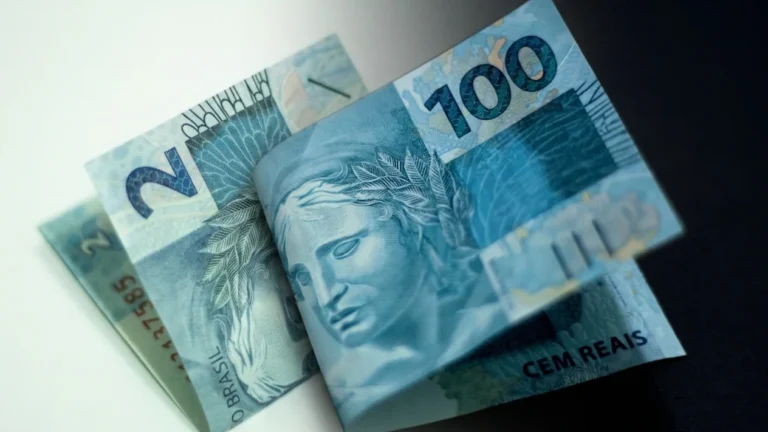
Brazil grows roughly 40 percent of the global Arabica supply (ICO production data). When the Brazilian Real weakens against the US dollar (current rates published by Banco Central do Brasil), Brazilian farmers accelerate exports because each dollar converts to more Reais. This typically increases supply on the world market and softens Arabica futures. A strong Real has the opposite effect and supports higher green coffee prices.
Brazil Harvest Cycles and the Real
Brazil harvests Arabica from May through September. During harvest peak, Real weakness amplifies export pressure on Arabica futures. Off season Real movements have a smaller impact because physical supply is constrained regardless of currency.
Coffee Company Stocks Today
Green coffee prices ripple straight through to the companies that roast, package and sell it. Below I track live share prices for major coffee names from large chains like Starbucks and Dutch Bros to specialty roasters and suppliers. When bean costs rise, margins at these companies feel it, so their stocks can act as a real world signal of coffee market pressure. Use this as a quick read on how the trade is reacting to current prices. (Prices update automatically through the trading day.)
Live Share Prices of Major Coffee Players
Prices update every 30 minutes during market hours.
| Company | Symbol | Price | 1 day | 30 day |
|---|---|---|---|---|
| Starbucks | SBUX | $97.87 | +0.36% | +3.1% |
| Dutch Bros | BROS | $42.86 | +4.13% | +9.5% |
| Keurig Dr Pepper | KDP | $34.46 | -0.46% | +12.5% |
| Coffee Holding Co | JVA | $4.74 | +3.95% | +12.1% |
| Farmer Brothers | FARM | $1.28 | +0% | +0% |
Track live ICE Cocoa futures, historical price charts, and what global supply shifts mean for chocolate costs and your favorite cafe menu.
View Live Cocoa Charts →ICE Cocoa Futures (CC) · Updated Daily
The Best Coffee in the State
103+ shops. Every one personally vetted for espresso quality.
Coffee Futures and Green Coffee Prices FAQ
Answers I put together on green coffee pricing, the C market, and what moves it.
The current price of green coffee tracks the Arabica futures contract on the ICE exchange. The live chart at the top of this page shows the latest Arabica value in US cents per pound. Wholesale green coffee bean prices add origin, grade, and logistics premiums on top of this benchmark.
The C market is the global benchmark for washed Arabica coffee. It trades on the ICE exchange in New York under the ticker KC and quotes in US cents per pound. Nearly all green coffee contracts worldwide use the C market price as the baseline reference, with specialty coffee adding a fixed differential above it.
Coffee futures are standardized contracts to buy or sell green coffee at a set price on a future date. Arabica futures price in US cents per pound on ICE New York. Robusta futures price in US dollars per metric ton on ICE London. Daily values reflect supply forecasts, demand from roasters, currency movements, and macroeconomic factors.
Arabica futures (ICE ticker KC) cover specialty grade beans grown at higher elevations and quote in US cents per pound. Robusta futures (ICE ticker RC) cover commercial grade beans used in instant coffee and many espresso blends, quoted in US dollars per metric ton. Arabica typically trades at a 50 to 100 percent premium over Robusta.
The price line shows the daily closing value for the futures contract. Volume bars at the bottom show daily trading activity. Green volume bars mean the price closed higher than it opened (buyers in control). Red bars mean the price closed lower (sellers in control). Use the timeframe buttons (1m, 30m, 1h, D) to switch between intraday and daily views.
Coffee futures price in US dollars worldwide. A stronger US Dollar Index (DXY) makes coffee more expensive for buyers using euros, yen, or yuan, which softens demand and pressures prices lower. A weaker dollar lifts coffee prices because foreign buyers gain purchasing power and producers in Brazil, Vietnam, and Colombia receive less local currency per dollar earned.
Brazil produces roughly 40 percent of the world Arabica supply and a meaningful share of global Robusta through its Conilon variety. Weather events in Minas Gerais (frost, drought, excessive rainfall) can move Arabica futures within hours. The Brazilian Real exchange rate also drives export decisions, since a weaker Real encourages farmers to sell more coffee on the global market.