The Clean Coffee Guide
Mold Free Coffee The truth about mold, mycotoxins and your cup
Coffee and mold have a long history together. Here is what "mold free" actually means on a bag of beans.
- What mycotoxins actually are
- How to spot clean beans
- Top brands, compared
What Clean Coffee Actually Means
Clean coffee is a broad idea. It describes beans grown and processed in a way that keeps contaminants out of your cup. That covers mold and mycotoxins, but it also includes pesticides, heavy metals and other residues. When someone says a coffee is clean, they are making a claim about the whole journey from farm to bag.
I treat clean coffee as the umbrella. Everything else fits underneath it. A coffee can be organic and still carry mold. A coffee can be free of pesticides and still fail on freshness. So I look at clean coffee as a set of standards rather than a single label.
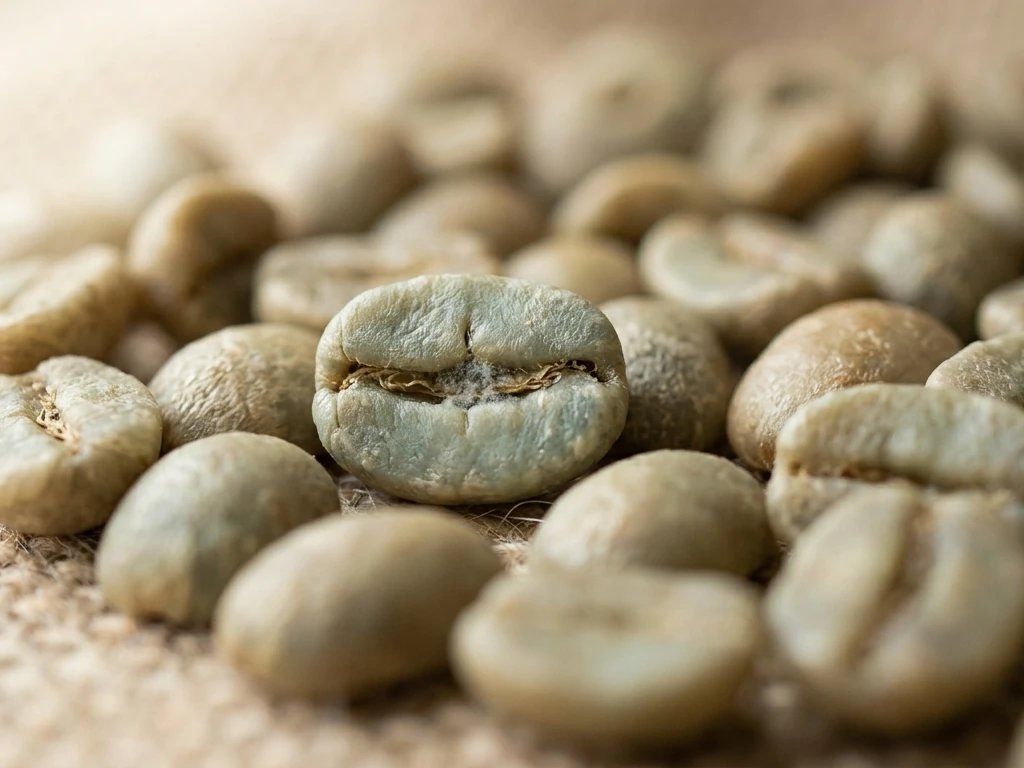
Mold can take hold on green beans during drying or in storage before roasting. This is the stage where careful handling and testing matters most.
Clean Coffee vs Mold Free Coffee
These two terms get mixed up often. Mold free coffee is a narrow claim. It means the beans have been kept free of mold and the toxins that mold can produce. Clean coffee is the wider goal. Mold free is one piece of it. A coffee can be mold free and still not meet every clean coffee standard so it helps to know which claim you are actually reading.
Clean Coffee vs Mold Free Coffee at a Glance
| Aspect | Clean Coffee | Mold Free Coffee |
|---|---|---|
| Meaning | A broad umbrella for beans kept free of many contaminants | A specific claim that the beans are free of mold and mycotoxins |
| Scope | Mold, pesticides, chemicals and heavy metals | Mold and mycotoxins only |
| Relationship | The wider goal | One piece that sits under clean coffee |
| Proof behind it | Sourcing, certifications and lab testing together | Lab testing for mold and ochratoxin A |
| What it does not promise | Any single trait on its own | Freedom from pesticides or heavy metals |
I built a simple tool to help you gauge how clean your current coffee likely is. Check the boxes that apply to the coffee you drink now. The score updates as you go. It is not a lab test. It is a quick fun way to see where your coffee stands and what you might want to ask your roaster.
Clean Coffee Scorecard
Rate Your Coffee
Check the boxes that match the coffee you drink now. The score updates as you go. It is not a lab test. It is a quick way to see where your coffee stands and what to ask your roaster.
Start checking boxes
Tick the traits that match your current coffee to build your score.
This scorecard is an informational guide, not a safety rating or medical advice. It reflects sourcing and handling signals, not a test of your specific bag.
What Is Mold Free Coffee?
Mold free coffee is coffee that has been grown, dried, stored and shipped in conditions that limit mold growth, then tested to confirm low or undetectable mycotoxin levels. The claim rests on two things. First, careful handling. Second, proof through testing. Without the testing part, mold free is just a marketing phrase.
Mold in Coffee, Explained
Coffee is an agricultural product. Like grains, nuts and dried fruit, it can grow mold when moisture and warmth are present. Mold can take hold at several points. It can start on the farm, during drying, in storage or inside a shipping container. Damp beans left too long are the main risk. Good processing and dry storage keep that risk low.
What Are Mycotoxins?
Mycotoxins are toxic compounds that certain molds produce. In coffee the one studied most is ochratoxin A, often shortened to OTA. Aflatoxins can appear too, though they are less common in coffee. The International Agency for Research on Cancer lists ochratoxin A as a possible human carcinogen. That classification is why regulators set limits on how much can be present in food.
The Coffee Journey
How Mold and Mycotoxins Get Into Coffee
Coffee is an agricultural product, so mold can take hold at several points from the farm to your bag. Here is where the risk shows up and where it drops.
Growing on the Farm
Coffee grows in warm, humid climates that molds also enjoy. Wet weather and poor airflow around the plants create early openings for fungi.
Moderate riskHarvesting
Overripe, damaged or fallen cherries are more prone to mold. Careful picking of ripe, healthy cherries keeps the risk down from the start.
Moderate riskProcessing and Drying
This is the biggest risk point. Beans left damp for too long during drying give mold the moisture it needs. Washed processing and controlled drying lower the danger.
Highest riskStorage
Green beans can sit for months before roasting. Humid warehouses or poor packaging let mold and ochratoxin A build up during this wait.
Highest riskTransport
Shipping containers can trap heat and moisture on long ocean routes. Condensation inside a container is a known way for mold to spread across a batch.
Moderate riskRoasting
High heat destroys mold spores and reduces ochratoxin A. It does not remove the toxin fully, so prevention during the earlier stages still matters most.
Risk dropsThe takeaway: Most mold risk builds up before roasting, during drying, storage and transport. Roasting lowers it but cannot undo it. This is why careful sourcing and third party testing matter more than anything you can do at home.
Why Mold and Mycotoxins in Coffee Matter
Mycotoxins matter because they are stable and hard to remove once they form. Roasting reduces ochratoxin A, but it does not erase it fully. Studies have shown meaningful reductions during roasting, yet some amount can remain in the finished beans. That is why prevention during growing and storage matters more than trying to fix a problem later.
The point is balance, not fear. The presence of a mycotoxin is not the same as a dangerous dose. This is where the numbers help.
Is Coffee Toxic?
Coffee itself is not toxic in normal amounts. The concern is contamination, not the bean. Most commercial coffee tested by researchers falls below the safety limits set by food authorities. The European Union, for example, sets a maximum level for ochratoxin A in roasted coffee and a separate limit for instant coffee. Coffee that meets those limits is considered safe to drink for the general population.
How Much Mold Is Actually in Your Cup?
Less than most scare stories suggest. Surveys of retail coffee generally find that the majority of samples sit under regulatory limits for ochratoxin A. Some samples do exceed limits, which is why testing exists. The real answer depends on the source, the processing and the storage. A well handled coffee from a careful roaster gives you far less to worry about than a bag that sat damp for months.
How to Spot Clean and Mold Free Coffee
You cannot see mycotoxins. You can look for the signals that point to careful handling. The strongest signals are the growing method, the processing method and proof of lab testing. No single label guarantees a clean cup, so I stack these signals together.
Growing and Processing Method
How the coffee is dried tells you a lot. Wet processed (washed) coffee tends to carry a lower mold risk than natural (dry) processed coffee, because the fruit is removed early and drying is more controlled. High altitude farms often see cooler, drier conditions that slow mold growth. None of this is a guarantee, but processing done with care lowers the odds of contamination.
Third-Party Lab Testing
This is the signal I trust most. A roaster that sends beans to an independent lab and shares the results is giving you real proof, not a slogan. Look for brands that test for ochratoxin A and mold and publish the findings. If a coffee is marketed as mold free with no test data behind it, treat the claim with caution.
Is Organic Coffee Mold Free?
No. Organic and mold free are separate things. Organic certification limits synthetic pesticides and fertilizers. It says nothing about mold or mycotoxins. Organic coffee can still develop mold if it is dried or stored poorly. So organic is a good trait to want, but it does not replace testing.
What to Look for on a Clean Coffee Label
| Signal | What It Tells Me | Why It Matters |
|---|---|---|
| Third party lab testing | An independent lab checked the beans | This is the strongest signal. It is proof, not a slogan |
| Published mycotoxin results | Actual ochratoxin A numbers, ideally below EU limits | Lets me verify the claim instead of trusting it |
| Certified organic | No synthetic pesticides or fertilizers | Good to have, but it does not cover mold |
| Single origin | The coffee traces back to one place | Makes handling and processing easier to trace |
| Washed (wet) processing | The fruit is removed early and drying is controlled | Carries a lower mold risk than natural processing |
| High altitude grown | Cooler and drier growing conditions | Slower mold growth on the farm |
| Recent roast date | The beans are fresh | Fresher beans mean less time for spoilage |
Mold Free and Mycotoxin Free Coffee Brands
A handful of brands have built their identity around low mold and low mycotoxin coffee. Some publish lab results. Some rely on careful sourcing and processing. The market has grown as more drinkers ask about contaminants so you now have real choices at different price points.
What Makes a Brand Trustworthy
I judge a brand on proof, not promises. The brands worth your money show their testing, name the toxins they test for and are clear about their sourcing. Transparency is the whole game here. A brand that answers questions openly earns more trust than one that hides behind buzzwords.
How Clean Coffee Brands Compare
| Brand | Certified Organic | Third Party Tested for Mold / Mycotoxins | Publishes Results | Single Origin | Where to Buy |
|---|---|---|---|---|---|
| Purity Coffee | Yes, 100% organic | Yes. Independent labs test for mold, yeast, ochratoxin A and aflatoxins | Yes, per product results pages | Blends and single origins | Online, brand site |
| Lifeboost | Yes, main roasts certified organic | Yes. States third party testing for mycotoxins, molds, heavy metals and pesticides | States testing, results not published per lot | Yes, single origin | Online, brand site |
| Typical grocery organic brand | Often | Rarely stated | Rarely | Varies | Supermarket, Costco, Whole Foods |
Where to Buy Mold Free Coffee
You can find clean coffee at big retailers and through specialty roasters online. Each option comes with tradeoffs on price, selection and how much proof you get about testing. Here is how the common choices stack up.
Buying Clean Coffee Locally in Phoenix, AZ Area
Most mold free coffee ships to your door. If you happen to live in the Phoenix area though, you have a rare advantage. A couple of local spots take this seriously, and you can taste the difference in person before you commit to a bag.
Momentto Coffee Roasters in Chandler is the clearest example I have found. This is a family owned roaster that has been at it since 1989, and clean coffee is the whole point. The green beans are ethically sourced from family owned lots and every purchase is fair trade. What sets them apart is a proprietary roasting process that runs through 9 filtration stages. The result is a low acid cup that is essentially bitterness free, and the beans are handled to stay free of mold and mycotoxins. You can read about my full visit in the Momentto Coffee Roasters listing.
Over in Scottsdale, Firefly Organic Coffee & Market is built around clean ingredients from top to bottom. The espresso is organic, smooth and low in acidity. The market side stocks raw milk, pasture raised eggs and grass fed beef from Arizona producers. If you want a clean latte and real pantry staples in one stop, it is worth the trip. My full review is in the Firefly Organic Coffee listing.
Shops like these are rare. Most craft and high end cafes focus on specialty grade coffee, direct trade, organic beans or in house roasting. You can browse plenty of both in my Arizona coffee roasters and organic coffee shops guides. Very few advertise mold free or mycotoxin free coffee though, because those are niche health claims that usually call for third party lab testing. Finding two shops in one metro area that do is a small gift for anyone chasing a cleaner cup.
Everything About Coffee, In One Place
Guides, calculators, live bean prices and brewing ratios. All in one place.
-
📖11 Brewing GuidesMethods, ratios and gear explained
-
⚙2 Coffee CalculatorsDose and ratio tools for any brew
-
📈Live Green Coffee PricesReal-time market price trackers
20 FAQs answered across Brewing, Espresso & Coffee Know-How
Mold Free Coffee at Costco
Costco carries organic and single origin options that appeal to clean coffee drinkers. Selection changes often and varies by warehouse. Keep in mind that organic on the label does not mean mold tested. If mold testing matters to you, check the brand behind the product rather than trusting the retailer alone.
Mold Free Coffee at Whole Foods
Whole Foods stocks a wide range of organic and specialty coffee, including some brands that focus on clean sourcing. As with Costco, the store shelf is a starting point, not a guarantee. Read the brand claims and look for any mention of lab testing before you decide.
Buying Clean Coffee Online
Buying direct from a specialty roaster usually gives you the most information. Online you can read a brand story, find test results and choose fresh roasted beans shipped soon after roasting. This is where the dedicated mold free and mycotoxin free brands live, and it is often the best route if testing and freshness are your priorities.
My Take on Choosing Clean Coffee
I do not lose sleep over mycotoxins, and I do not think you need to either. The science says most coffee is safe and sits under regulatory limits. Still, I would rather buy from a roaster who tests and proves it. Clean coffee is about lowering your risk and drinking a fresher, better cup. Start with the growing and processing, ask for test results and buy from brands that answer honestly. That is the whole approach in one breath.
Good to Know
Mold Free Coffee Questions, Answered
Quick answers to the questions I hear most about mold, mycotoxins and choosing a cleaner cup of coffee.
Mold & Mycotoxins Basics
No. Organic rules cover pesticides and fertilizers, not mold. Organic coffee can still grow mold during drying or storage. If a mold free cup is my goal I look for third party lab testing, not just the organic label. My single origin coffee guide explains how sourcing shapes quality.
Coffee itself is not toxic in normal amounts. The concern is contamination, not the bean. Most commercial coffee tested by researchers falls below the safety limits set for ochratoxin A, the main mycotoxin studied in coffee. Coffee that meets those limits is considered safe for the general population.
Often it tastes cleaner and brighter, though this comes mostly from careful sourcing and fresh roasting rather than the absence of mold by itself. Well handled beans simply make better coffee. Taste is subjective so results vary by palate. My coffee flavor wheel helps you name what you taste.
Buying & Brands
I judge a brand on proof, not promises. The brands worth the money show their lab results, name the toxins they test for and are clear about sourcing. A brand that tests for ochratoxin A and mold then publishes the findings earns more trust than one that only markets the mold free label.
Both stores carry organic and specialty coffee that appeals to clean coffee drinkers. Selection changes often and varies by location. Keep in mind that organic on the label does not mean mold tested. I check the brand behind the product rather than trusting the retailer alone.
Brewing & Storage
Yes. Mold grows in damp machines that are not cleaned. Water reservoirs, spouts and drip trays are common spots. I clean and dry the equipment regularly to keep it out. This is separate from mold on the beans, but it affects the cup all the same.
Decaf is not automatically moldier than regular coffee. The decaffeination process and storage matter more than the caffeine content. As with any coffee, careful processing and dry storage are what keep mold low.